Migrating from Legacy ERPs: A Data Engineering Roadmap

9 minutes to read
Get free consultation


Enterprise Resource Planning implementations present massive opportunities for efficiency and business expansion, although IT leaders understand that transitioning from an aging system requires surgical precision to ensure continuous business health. The stakes are immense: you must protect historical data while standing up entirely new architecture. You can see the importance of a structured approach quantified in research indicating 56% of enterprise organizations require strategic guidance to overcome resistance and navigate challenges during system overhauls.

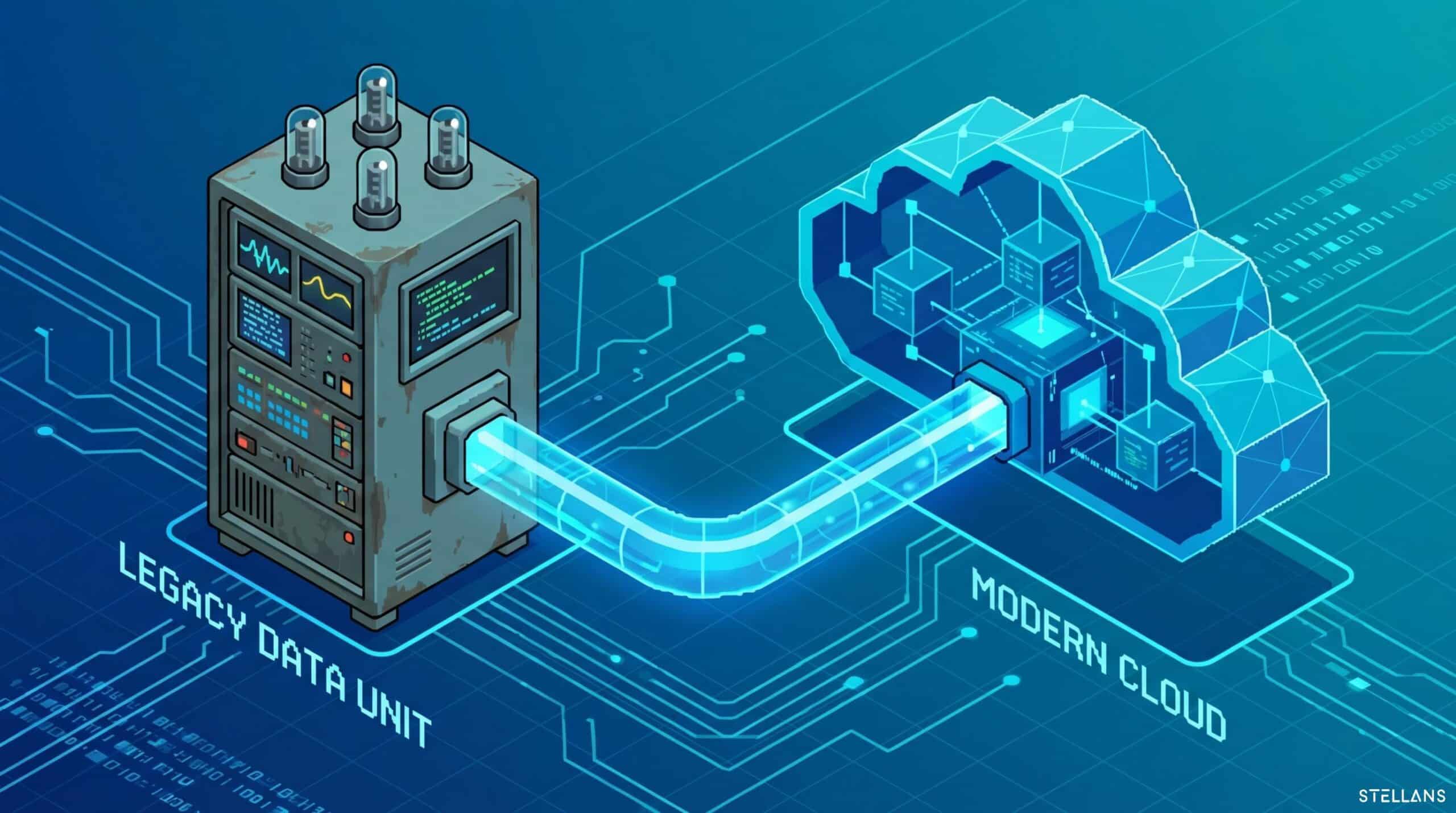
Data engineering stands as your primary catalyst for a successful modernization. While executing a legacy data migration, organizations achieve superior results when they elevate the foundational data plumbing alongside the new software interface. We treat data engineering as the critical bridge connecting your past transactions to your future operations. If you require expert guidance on your next transition, our digital transformation consulting provides the strategic blueprint needed for success.

The Hidden Risks of Legacy Data Migration

Upgrading an ERP empowers your organization for the future. Anticipating unstructured data complexities, forecasting project schedules, and protecting budgets becomes much easier. The rewards of excellent planning extend far beyond simple IT victories. We identify three key areas where IT Directors can build strong safeguards early in the project lifecycle.

Data Loss and the Cost of Incomplete Extraction

Securing critical historical transactions during extraction forms the bedrock of organizational stability. A legacy system often holds decades of custom table logic, undocumented workarounds, and silent data silos. Moving this information systematically guarantees complete clarity rather than leaving blind spots. By designing extraction scripts that seamlessly capture every row and nested relational table, businesses securely preserve their financial audit trails. This flawless precision satisfies regulatory compliance validations and instantly fortifies stakeholder trust.

Operational Downtime During Cutover

Sustaining active business operations remains a top priority even while backend servers transition. Traditional batch migration methods typically require extensive system freeze periods. By adopting modern approaches instead of extended cutover windows, warehouses effortlessly sustain fulfillment operations and sales teams keep processing invoices without a hitch. Keeping systems continuously operational directly safeguards your revenue. Your strategic data migration roadmap should prioritize robust solutions that strategically minimize blackout periods to nearly zero.

Post-Migration Reporting Gaps

A new system fulfills its true potential when it consistently generates accurate daily reporting. When business segments go live on a new platform, leadership expects their financial and operational dashboards to update seamlessly. Fortunately, brilliantly engineered data projects ensure comprehensive metrics are securely tracked and reliably available. We often study the pivotal factors underlying ERP implementation setups to help organizations achieve these reporting successes. Robust reporting layers equip executives with precise insights exactly when they require maximum visibility.

Phase 1: Robust ERP Data Extraction

Extraction represents the crucial first step in any successful data initiative. Securing a pristine initial pull guarantees that all downstream processes will operate smoothly. We accelerate our clients’ progress by upgrading them from legacy batch ETL processes. We advocate for modern, continuous extraction methods.

Selecting the Right Extraction Tools

Extracting data from on-premise relational databases requires specialized architecture. Modernizing the extraction of millions of rows ensures legacy systems perform optimally without relying on draining bulk queries. Managing system loads properly prevents heavy SELECT statements from affecting aging database instances and freezing active user sessions. We solve this by implementing Change Data Capture (CDC) technologies. CDC reads the system transaction logs rather than querying the production tables directly. This approach captures every insert, update, and delete in real-time. It perfectly sustains optimal performance by lifting the computational burden from your legacy systems.

Automating Pipelines with Fivetran

Modern data stacks thrive on intelligent automation. We rely heavily on Fivetran to standardize the extraction process. Fivetran connects directly to source databases like SQL Server, Oracle, or PostgreSQL. It automatically recognizes schema changes, handles temporary network shifts, and continuously streams CDC logs. By automating pipelines with Fivetran, your engineering team seamlessly monitors operations rather than spending time troubleshooting manual batch jobs. The tool ensures incoming data flows securely into your cloud data warehouse. We build these automated pipelines to provide an always-on, synchronized copy of your production data.

Phase 2: Solving the Data Mapping Puzzle

Transforming source data to align with the precise structure required by modern cloud platforms unlocks new analytics capabilities. Integrating records is necessary because a ten-year-old on-premise system stores customer data differently than a modern SaaS application. Bridging this structural gap is the primary triumph of exceptional data engineering. We view a data pipeline as a comprehensive highway: it relies on carefully managed toll-booth validations to keep data traffic flowing safely and reliably.

Strategies for Mapping Schema Differences

An established older system might utilize extensively nested data sets or highly denormalized wide tables. A new cloud ERP will expertly enforce strict API payloads and tightly normalized schemas. Mapping schema differences between these two software generations relies upon rigorous translation logic.

Our team completes this challenge through an organized architecture. We confidently land all raw source data into a standardized staging layer inside a cloud data warehouse. We focus entirely on extraction speed during the initial phase while respectfully reserving data formatting for the staging area. Once the raw data safely lands in the warehouse, we deploy dbt (data build tool) to upgrade the structures. We carefully write modular SQL scripts that join legacy tables, parse nested JSON arrays, and gracefully rename columns to match the target ERP requirements. This programmatic approach ensures that all logic is fully version-controlled and totally auditable.

Handling Data Type Mismatches Programmatically

Establishing perfectly matched data formats ensures continuous, healthy pipeline operations. Legacy systems frequently store dates as plain text strings. Older financial tables might log monetary values as floating-point numbers rather than precise numeric fields. By restructuring this initial data properly before interacting with a modern API, the target cloud platform perfectly processes the payload.

We prioritize resolving data type mismatches programmatically through our robust transformation layers. Our expert DBT models cast every column into its proper final format before the loading phase ever begins. We smoothly convert obscure legacy date strings into standard UTC timestamps. We enforce absolute decimal precision on currency fields to guarantee crystal-clear calculations. We implement smart custom accommodation rules for text strings formatted for the character limits of the new platform. By systematically optimizing these formatting details at the secure warehouse level, we guarantee a completely flawless execution during the final data injection process.
Phase 3: Validation Strategies & Quality Assurance

Building genuine confidence in a data analytics pipeline relies on objective validation. Even the absolutely best-designed systems gain immense value from rigorous pre-launch testing. Your cutover weekend will operate masterfully when comprehensive verification protocols proactively uncover calculation adjustments weeks before the new system goes live.

Automated Reconciliation and Parallel Runs

We proudly deliver extremely strict validation standards for every major deployment. The process begins with continuous automated row-count reconciliation. Our engineering architectures evaluate every record in the source system and cleanly compare it against securely landed records in the target environment. Confirming every single row is accurately captured guarantees immediate transparency and verified pipeline status.

Beyond straightforward record monitoring, we conduct deeply thorough hash sum validations. We efficiently tabulate checksums on fundamental financial columns in the legacy system and compare them closely against our transformed output. We then confidently launch extended parallel run periods. During a parallel run, both the established and upcoming platforms process the same daily transactions, fully synchronized side-by-side. Our team builds proactive reconciliation dashboards to accurately confirm the daily output of both systems. This parallel strategy perfectly aligns calculation logic before you gracefully retire the legacy servers.

Ensuring Zero Reporting Gaps

We understand completely that essential business momentum depends deeply on consistently accurate metrics. Our advanced validation processes secure continuous visibility into deep operations. We fully utilize automated dbt testing frameworks to execute hundreds of smart nightly performance checks. These strategic tests confirm that primary keys continuously remain unique and critical fields actively populate with valuable data. We confidently keep your core analytics layers highly reliable and accessible. This level of comprehensive quality assurance stands front and center for maintaining precise accuracy in your Weekly Business Review (WBR). When you entirely trust the data delivery models, executive leadership can drive key enterprise decisions with rock-solid confidence.

Phase 4: Historical Data Archiving Strategy

You optimize resources extremely effectively by migrating specifically the most active operational data directly into your premium new system. Most organizations discover outstanding cost-savings by sorting their substantial volumes of cold, inactive operational records. Archiving this valuable historical material in secure, specialized environments improves active system performance and actively minimizes your software licensing overhead.

Unloading Dead Weight Effectively

A genuinely refined data strategy categorizes complex information based entirely by its true ongoing operational importance. Active open orders, current product inventory levels, and recent customer interaction reports belong front and center. Seven-year-old closed purchase orders and historical vendor tax accounts fit flawlessly into cost-effective analytical archives. We help enterprise organizations build totally customized cutoff logic parameters. Our robust data integration pipelines appropriately route detailed historical files to a smart secondary environment precisely separate from your active payload. This highly selective optimization results in a remarkably responsive and impressively fast primary operating platform.

Centralizing Archives in Snowflake

To comfortably preserve the value of critical inactive data, we build highly secure, easily accessible analytical archives. We securely network all valuable legacy records intelligently into an advanced cloud data platform. By strategically centralizing these reliable archives directly within Snowflake, we fully maintain your corporate transaction history without tasking the new SaaS implementation. Snowflake masterfully separates heavy computing tasks from scalable data storage. This distinct architecture securely houses immense terabytes of historical information at a remarkably affordable footprint. When the busy finance teams need to review past decisions, they effortlessly query Snowflake directly. This approach successfully provides high effectiveness exactly when necessary. You can confidently trust the results of this comprehensive dual-path methodology in our impressive implementation of Fivetran and Snowflake.

How We Engineer Seamless ERP Transitions

Strategic data engineering is the dependable engine advancing every highly effective enterprise network replacement. Organizations that upgrade to modern continuous replication smoothly bypass the complications characteristic of legacy batch exports. Our expertly constructed roadmap reliably guarantees a smooth, fully operational transition.

We successfully utilize sophisticated platforms like Fivetran to systematically automate Change Data Capture out of older databases. We deploy robust dbt models to carefully unify structural layout differences while comprehensively standardizing necessary formatting elements. We firmly design rigorous row-count validations and complex parallel run testing configurations to strictly ensure completely flawless output alignment. Finally, we proactively redirect weighty historical data loads into safe Snowflake environments specifically to maximize active network speed while minimizing overall data holding costs. A precisely calibrated data infrastructure ensures seamless business continuity. Our ultimate goal focuses intensely on powering your steady enterprise growth. We build resilient technological foundations directly empowering enterprise technical directors to lead monumental changes intelligently.

Conclusion & Next Steps

Propel your digital transformation forward by continuously modernizing an aging infrastructure. Maximize the value of your core analytics assets immediately prior to launching your next major software suite update. Secure an exact assessment by carefully contacting our specialized transition team focused on building your completely custom roadmap, starting today. Allow our talented specialists to expertly transform your foundational data networks: Start your project with Stellans.

Frequently Asked Questions

How do you prevent data loss during legacy data migration? We secure every piece of data by relying on Change Data Capture (CDC) technologies in place of manual batch exports. CDC continually reads transactional logs to seamlessly ensure every insert, update, or delete is beautifully captured. We expertly complement this with automated row-count and hash-sum validations constantly running between the source and destination platforms.

What are the best strategies for mapping schema differences? The most effective strategy begins safely by reliably extracting complete raw data sets straight into an independent cloud data warehouse. Working from there, we confidently configure robust transformation modeling with platforms like dbt to elegantly adjust nested information arrays, properly join distinct operational tables, and thoughtfully adjust field titles. This smartly uncouples the intricate architectural blueprint logic fully away from initial extraction and gracefully sets accurate foundations mapped directly using version control.

How does an organization solve data type mismatches? We effectively conquer complex system type format complications smoothly and automatically directly within the central staging storage hub. Our specialized development architects create deeply explicit alignment structures flawlessly converting antiquated string variables straight into modern synchronized timestamps, expertly configuring solid mathematical precision specific to global monetary measurements, and dynamically initiating intelligent string character limits carefully perfectly tailored into your impressive new destination.

Why shouldn’t we migrate all historical data to the new ERP? Prioritizing only active data ensures your new system remains remarkably organized, delivers lightning-fast application performance, and fundamentally optimizes standard cloud architecture expenditures. An exceptional and highly recommended approach isolates and cleanly pushes your actively operating transactions firmly towards your main portal while deeply securing older financial and operational backgrounds inside a remarkably cost-effective analytical hub like Snowflake.

References

  1. DiDomenico, J. (2025, November 8). Legacy System Retirement Decisions Among Enterprise Organizations. Freedom – Stony Brook University. Retrieved from https://you.stonybrook.edu/freedom/2025/11/08/legacy-system-retirement-decisions-among-enterprise-organizations/
  2. Hamal, V., Kumar, S., & Pravinbhai, S. P. (n.d.). A Study Analysing The Cause of ERP Implementation Failure: Identifying Potential Solutions. International Journal of Creative Research Thoughts (IJCRT). Retrieved from https://www.ijcrt.org/papers/IJCRT2404339.pdf

Article By:

https://stellans.io/wp-content/uploads/2026/01/leadership-1-1.png
David Ashirov

Co-founder

Related Posts

    Get a Free Data Audit

    * You can attach up to 3 files, each up to 3MB, in doc, docx, pdf, ppt, or pptx format.