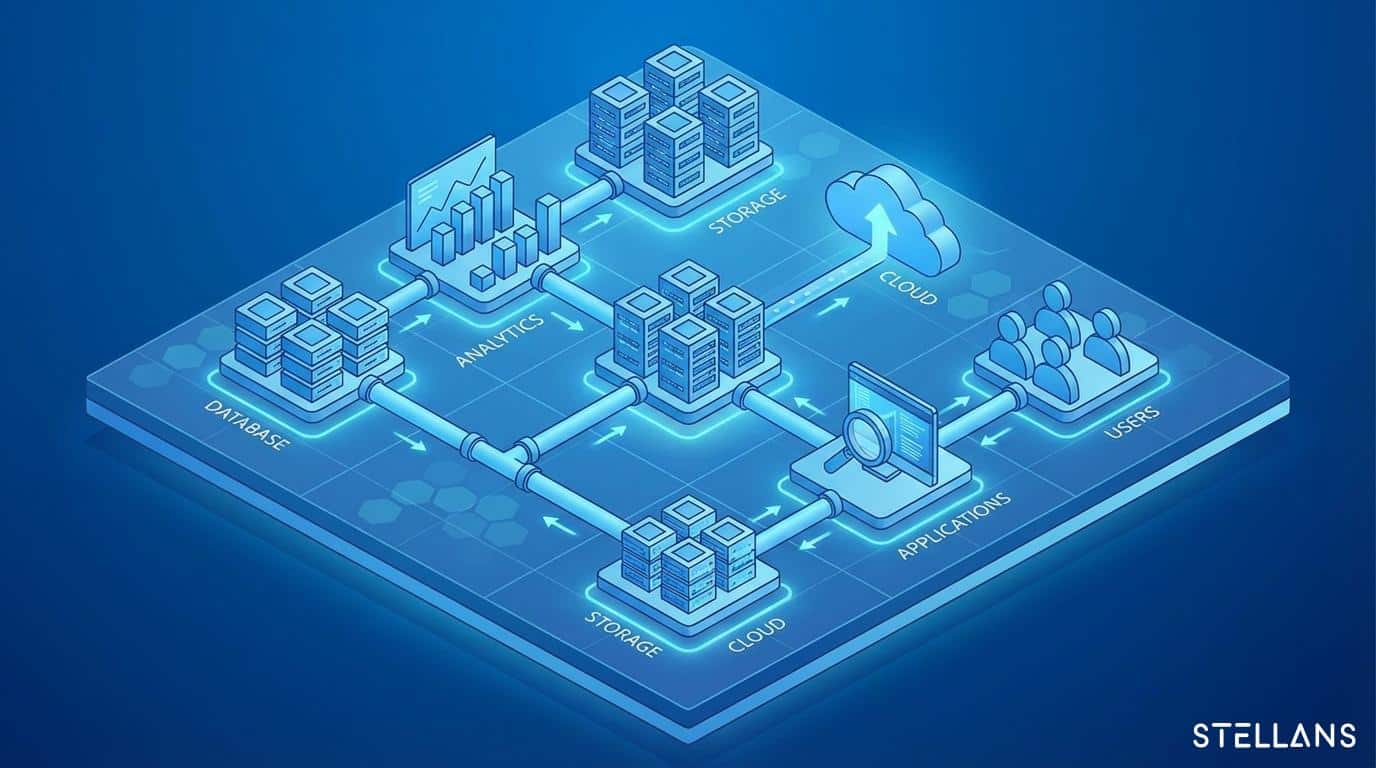
We view a data engineer as the master architect of your digital highway. They proactively design the roads. They firmly set the technical speed limits. They guarantee a completely safe journey for your valuable information.
What is a data engineer in practical, daily terms? It is the highly specialized technical professional who manages raw data extraction. They meticulously clean the incoming information. They securely load it into a massive central repository. This robust central hub is typically a specialized Data Warehousing solution.
The primary objective remains absolute reliability: engineers build incredibly fault-tolerant systems. These robust systems rapidly empower organizations to make smarter strategic decisions. They effectively eliminate severe data bottlenecks instantly. They ensure vital information reaches important business leaders instantly.
Core Responsibilities of a Data Engineer
A modern data engineer wears many technical hats simultaneously. Their daily tasks involve several highly critical business functions. The absolute primary focus remains on backend infrastructure reliability.
- ETL/ELT Processes: They architect the systems that extract, transform, and Load enterprise data. This fundamental core process gracefully transforms raw data into easily usable formats. Data extraction requires deep API knowledge. Engineers expertly connect to hundreds of different software endpoints. They handle strict rate limits flawlessly. They manage unexpected network timeouts seamlessly.
- Infrastructure Maintenance: They meticulously monitor complex database health continuously. They constantly optimize query performance for maximum speed. They fiercely ensure rapid access to critical financial metrics.
- Data Governance: They formally establish incredibly robust security protocols. They explicitly ensure strict corporate compliance with shifting privacy laws. They rigidly maintain extremely high data quality standards across all interconnected systems.
- System Monitoring: They watch closely for critical pipeline failures proactively. They aggressively resolve system bottlenecks with alarming speed. They successfully prevent wildly expensive business downtime episodes. Monitoring represents a relentless daily engineering duty. They efficiently set up automated diagnostic alerts for pipeline anomalies. They diligently diagnose frustrating database latency issues rapidly.