What Is Reverse ETL? Activate Your Warehouse Data

12 minutes to read
Get free consultation


Marketing operations and business operations leaders have a tremendous opportunity to unlock valuable insights today. Your company collects rich customer information daily. Your dashboard metrics look incredibly detailed. Connecting your frontline teams ensures they operate with clear visibility. Equipping your sales platform provides critical usage insights. Renewing your data flow equips marketing campaigns with dynamic audience lists. Bridging this disconnect enables teams to personalize customer experiences effectively.

We work with you to unlock data potential. We build your modern data stack to serve as a highly connected hub. Our solutions liberate information from inside the data warehouse. Realizing true business value relies on continuous data activation. Data activation means moving verified insights directly into frontline SaaS platforms. This process empowers your revenue teams to act immediately.

You need a strategy that pushes actionable metrics out of the warehouse. This strategy involves a specific engineering pipeline. Our goal is to outline exactly what is reverse etl and how it solves this connectivity opportunity. We partner with clients to implement these pipelines correctly. Clients using our pipeline strategies report 40% faster insights post-implementation.

What Is Reverse ETL? A Clear Definition

To understand what is reverse etl, we must look at modern pipeline structures. A clear definition requires straightforward terminology. Reverse ETL is the technical process of copying modeled data from a central data warehouse into operational systems. These systems include Customer Relationship Management platforms and marketing applications.

Consider a practical metaphor. Your data pipeline is a highway. The warehouse represents your central distribution center. Reverse ETL represents the delivery trucks bringing insights to the storefront. You load enriched metrics into these trucks. These delivery vehicles distribute exact audience definitions directly to your marketing automation platform. This process guarantees your frontline systems have the latest customer context. We build these highways to run seamlessly.

How Reverse ETL Differs from Traditional ETL/ELT

Understanding pipeline differences requires looking at data direction. Traditional ETL pulls raw data in. Reverse ETL pushes actionable insights out.

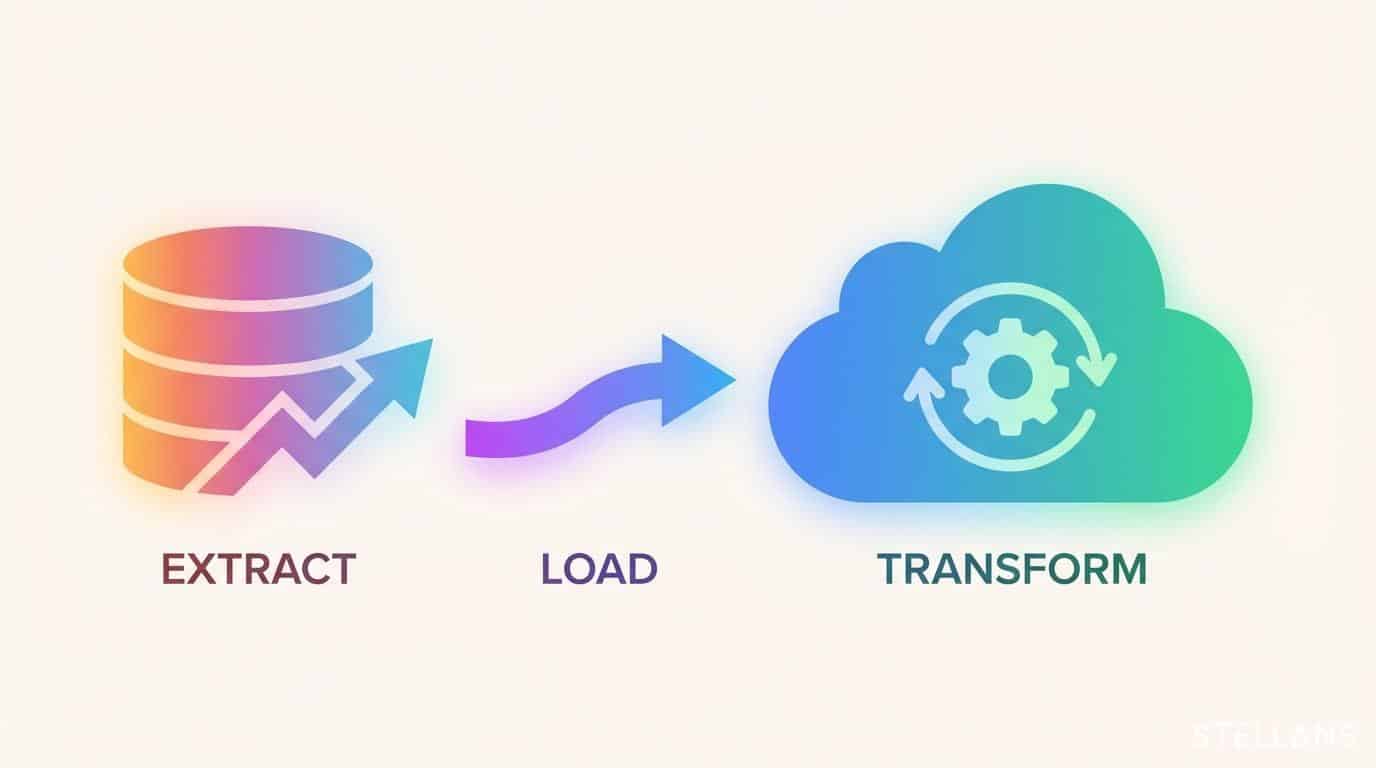
ETL processes extract information from fragmented sources. They transform these inputs into standardized formats. They load the results into a central data warehouse. This creates a single source of truth. Reverse ETL reverses this flow entirely. It extracts finalized tables from the warehouse. It pushes these highly refined datasets out into specialized business applications. ETL builds your analytical foundation. Reverse ETL operationalizes that foundation. We orchestrate both directions to streamline operations.

Operational Analytics and Data Activation Explained

Your database should drive daily decisions. We advocate heavily for operational analytics. This practice involves feeding real-time operational data into daily workflows. Dashboards help executives measure historical performance. Operational analytics helps frontline workers make immediate decisions.

Data activation serves as the engine for these analytics. It translates passive metrics into automated actions. Activating warehouse tables empowers your software to send localized alerts automatically. It bridges the gap by turning exact knowledge into definitive action. As noted by the Massachusetts Institute of Technology, succeeding with operational analytics requires technical alignment across all departments.

Top Reverse ETL Use Cases for Marketing and Business Ops

Software vendors often position pipeline syncs as magic solutions. We prefer to act as technical translators. Achieving business impact requires a well-oiled data machine beneath the software. Let us explore 5 concrete reverse etl use cases our clients leverage today.

Audience and Segment Sync to Ad and Lifecycle Platforms

Marketing teams need highly specific audience segments to run profitable campaigns. Implementing proper sync mechanisms automates the distribution of targeted audience lists to bypass manual spreadsheet exports. Seamless integration delivers these lists into advertising networks instantly. This modern approach secures immediate compliance. It also guarantees real-time targeting windows.

We sync complex warehouse segments directly into advertising networks automatically. A pipeline delivers a freshly updated list of users who abandoned their carts. Advertising platforms receive this list hourly. This capability empowers marketers to launch precision remarketing campaigns effortlessly.

Enriched CRM Profiles for Sales and Customer Success

Sales representatives need complete context to close deals quickly. Upgrading standard Customer Relationship Management setups adds crucial product usage metrics to standard email interactions and meeting notes.

Activating warehouse tables equips your CRM with enriched product data. A Reverse ETL pipeline pushes active user session counts directly to the sales platform. A sales representative can instantly check if a target log-in occurred within the last 24 hours. Customer success teams can view exact support ticket histories directly within Salesforce. This transparency helps retention teams identify expansion opportunities before account renewals happen.

Lifecycle Marketing and Personalization

Consumers expect highly personalized interactions today. Highly targeted campaigns yield exceptional engagement rates. Utilizing an AI-powered marketing platform helps you execute meaningful personalization.

A dedicated pipeline syncs calculated lifetime value scores into lifecycle tools. Marketers can trigger unique email journeys based on exact spending behaviors. The pipeline feeds customized product recommendations derived from machine learning models. This approach empowers your marketing automation platform to send exactly what the customer wants to see.

Proactive Support and Retention Operations

Smart routing helps support teams master ticket prioritization. Intelligent help desks structure priority requests dynamically. Giving top-tier enterprise clients priority routing maximizes targeted revenue and satisfaction.

Activating operational metrics elevates your help desk capabilities. You can sync a customer value metric directly into the support interface. Support agents can immediately distinguish high-priority enterprise accounts from baseline inquiries. The system routes valuable clients to specialized support tiers automatically. Proactive retention operations significantly enhance overall customer satisfaction scores.

Revenue and Billing Operations

Intelligent pipelines allow finance teams to resolve complex billing discrepancies automatically. Resolving unpaid invoices promptly unlocks optimal cash flow. Recognizing at-risk accounts early protects your financial health later.

Pushing billing metrics into operational channels streamlines finance operations. A sync pipeline pushes failed transaction flags from the payment gateway into the CRM. Account managers receive automated notifications regarding missing payments instantly. Teams can pause specific service tiers until users resolve their billing errors. This operational adjustment regularly decreases outstanding invoice days by 15%.

Overview of Leading Reverse ETL Tools

Many capable platforms exist in the market today. We evaluate software objectively for our clients. We build scalable pipelines regardless of the specific vendor chosen. Understanding the available market options helps leaders make informed technology investments.

Hightouch and Census

Hightouch and Census dominate the current integration conversation. Both platforms focus on moving data strictly from warehouses into business tools. They prioritize visual interfaces.

These platforms allow non-technical marketers to map warehouse columns to destination fields. They feature extensive catalogs of destination connectors. They handle rate limits and API retries robustly. Our engineering teams frequently configure these tools to ensure synchronization tasks run without failing. We streamline the initial workspace setups for optimal performance.

Fivetran Activations and Rivery

Fivetran built a reputation primarily on data ingestion processes. The platform recently expanded into outward data syncing. This creates a bidirectional pipeline solution.

Rivery also approaches pipeline management from a comprehensive angle. It combines ingestion processes with outward transformation capabilities. Choosing a combined ingestion and activation platform simplifies vendor management significantly. We help teams evaluate if consolidating under one vendor reduces engineering overhead adequately.

Meltano, Talend, and Polytomic

Open-source and enterprise integration platforms offer robust customization. Meltano allows engineering teams to deploy pipeline tasks using standard software development practices. Talend provides comprehensive enterprise features tailored for immense corporate databases. Polytomic focuses on syncing internal databases seamlessly to external business applications.

These advanced tools utilize stronger technical foundations to maximize customization. We specialize in mapping out these complex architectural requirements. Our approach ensures you maintain complete technological flexibility.

How Reverse ETL Integrates Into Your Data Infrastructure

A pristine architectural foundation guarantees your software tools perform perfectly. A strong integration utilizes exactly this immaculate foundation. We position ourselves as the engineering expert that builds this foundation securely.

Role in the Modern Data Stack

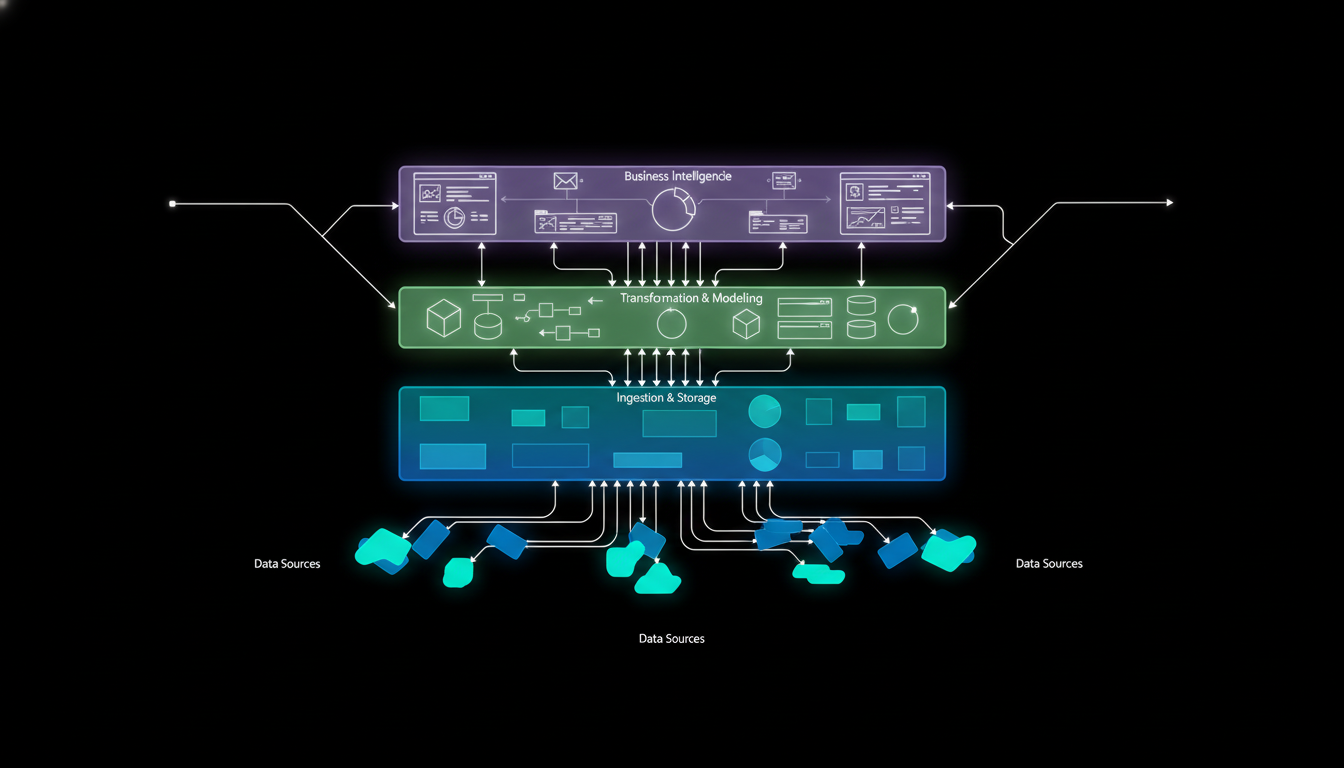
The modern integration ecosystem relies on specialized sequential tools. A dedicated data loader initially pulls raw data into your central repository. A change data capture mechanism tracks database updates in real time.

You establish absolute data quality before syncing. We rely extensively on transformation frameworks like dbt. The dbt framework ensures your audience lists are perfectly structured before they reach marketing. It builds modular validation checks right into your warehouse compute layer. We implement these foundational blocks to empower your outward integrations.

Connection to AI and Decision Automation

Advanced analytics apply automated decision frameworks for best results. Dynamic machine learning solutions allow your systems to scale effortlessly. You embrace dynamic machine learning solutions to compete effectively.

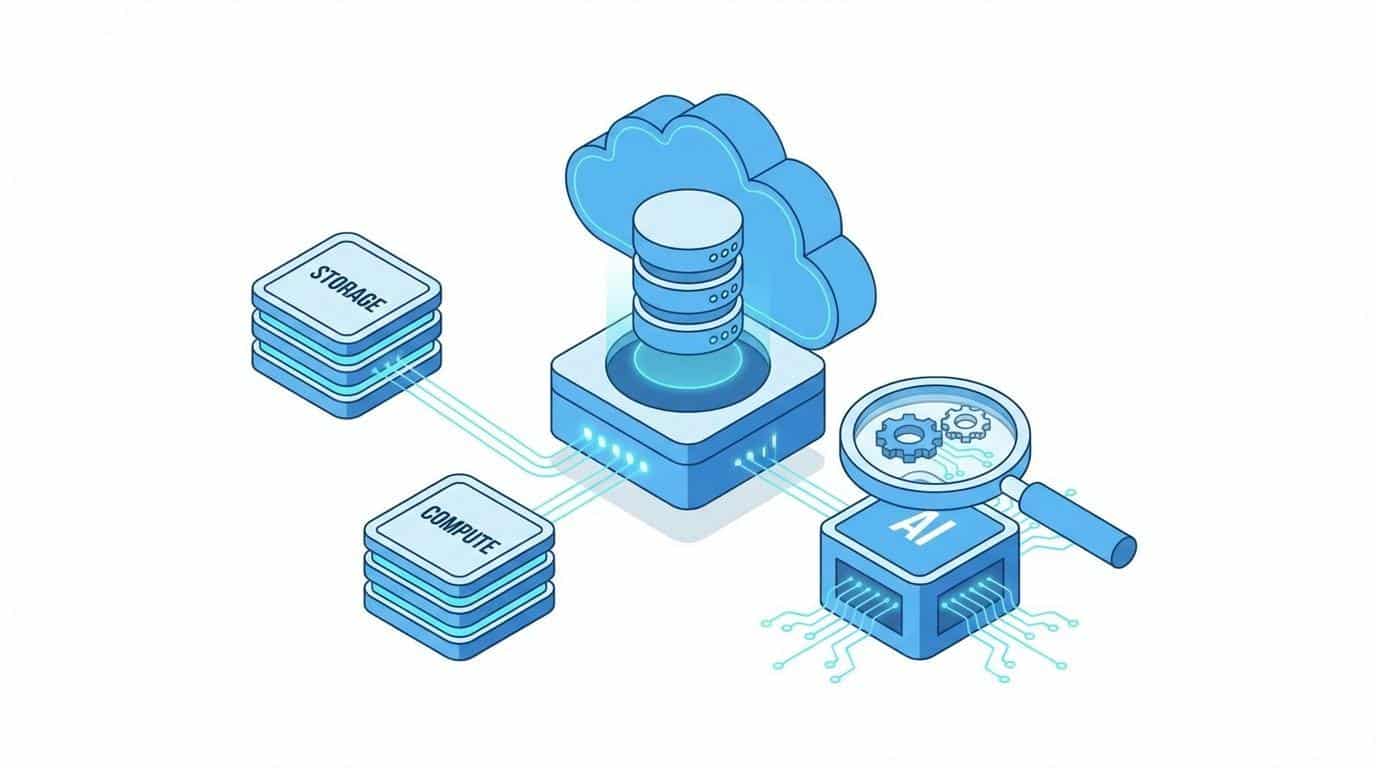
Our engineering practice actively orchestrates these AI-driven structures. Predictive models score user attributes within the warehouse layer directly. The activation pipeline then pushes these advanced AI scores into your SaaS platforms. You can partner with us to orchestrate AI solutions tailored to real business needs effectively. We design pipelines that feed external systems with constantly updating machine learning results.

Data Governance, Security, and Privacy

Implementing strong governance secures internal metrics while sharing them outward. You ensure attribute data remains perfectly secure. Syncing sensitive medical records or financial histories aligns strictly with proper compliance guidelines.

Proper data annotation helps categorize sensitive fields correctly. Our engineering team applies robust role-based access controls within the warehouse. We restrict which marketing users can deploy certain customer segments. We implement hashing functions to anonymize personally identifiable information before it leaves the server environment. This governance strategy guarantees you maintain absolute compliance while activating insights.

Best Practices for Successful Reverse ETL Adoption

Software implementation applies disciplined engineering practices perfectly. Intuitive visual interfaces process significant technical operations beautifully. We guide clients through these technical architectures efficiently.

Build vs. Buy Decision & SQL Fundamentals

Many teams debate building custom API connectors versus buying commercial software. Investing in commercial platforms bypasses the heavy maintenance of custom Python scripts. Commercial platforms continuously save immense engineering hours over time.

Applying rigorous SQL standards protects system stability regardless of the software chosen. Writing efficient queries optimizes performance and keeps warehouse compute costs low. You utilize a common table expression to organize complex query logic cleanly.

Data engineers structure relationships perfectly to ensure accuracy. Applying a sql left join guarantees you capture every user record for targeted lists. The coalesce sql function elegantly handles empty financial values during export tasks. Executing targeted sync queries safely isolates operations from live production tables.

A proper workflow executes a create a table in sql command to generate a specific sync view. Using proper sql create table practices completely separates your sync operations from live transactional databases. A standard left join sql command correctly marries baseline demographic records with recent product engagement histories.

Scheduling and Sync Strategies

Database sync tasks utilize careful scheduling frameworks to operate seamlessly. Setting optimized scheduling intervals keeps external APIs running perfectly. Smart syncing respects API rate limits to maintain smooth data transfers concurrently.

We orchestrate highly efficient incremental sync strategies. An incremental sync targets only the records that changed since the last pipeline run. This efficiency reduces external API calls dramatically. We configure precise scheduling windows to align perfectly with exact business needs. A daily summary email operates beautifully on a nightly synchronization task. A crucial billing alert guarantees safety with a near-instant sync trigger.

Conclusion: Build a Well-Oiled Data Machine With Stellans

Transforming an idle data warehouse into a proactive business engine creates massive enterprise value. Reverse ETL tools provide the ideal pipeline mechanisms required. Experiencing long-term success stems from a flawlessly architected foundation beneath those tools. Marketing and operational leaders now have the tremendous opportunity to operate on real-time metrics.

We act as your collaborative problem-solvers. Our engineering team simplifies these complex pipeline variables seamlessly. We ensure your analytics foundation drives impactful localized business actions reliably. If your organization is ready to build a scalable data infrastructure, please reach out to Stellans. Our goal is to empower your business growth through smarter automation.

Frequently Asked Questions

What is the difference between traditional ETL and Reverse ETL? Traditional ETL extracts raw information from source systems and loads it into a central warehouse. Reverse ETL performs the opposite function. It extracts cleaned metrics from the warehouse and pushes them into frontline business applications.

How does reverse ETL work technically? The process executes scheduled queries against the data warehouse. It detects new or changed records. It then utilizes external vendor APIs to update individual fields inside platforms like Salesforce or marketing automation tools.

Do I need a data warehouse for this process? Yes. These pipelines require a centralized database layer to operate correctly. You establish a single source of truth prior to syncing metrics outward to other applications safely.

References

  1. Massachusetts Institute of Technology. Cracking the Operational Analytics Nut.
  2. George Mason University. What is Operational Analytics & Why You Should Use It.

Article By:

https://stellans.io/wp-content/uploads/2026/01/leadership-1-1.png
David Ashirov

Co-founder

Related Posts

    Get a Free Data Audit

    * You can attach up to 3 files, each up to 3MB, in doc, docx, pdf, ppt, or pptx format.