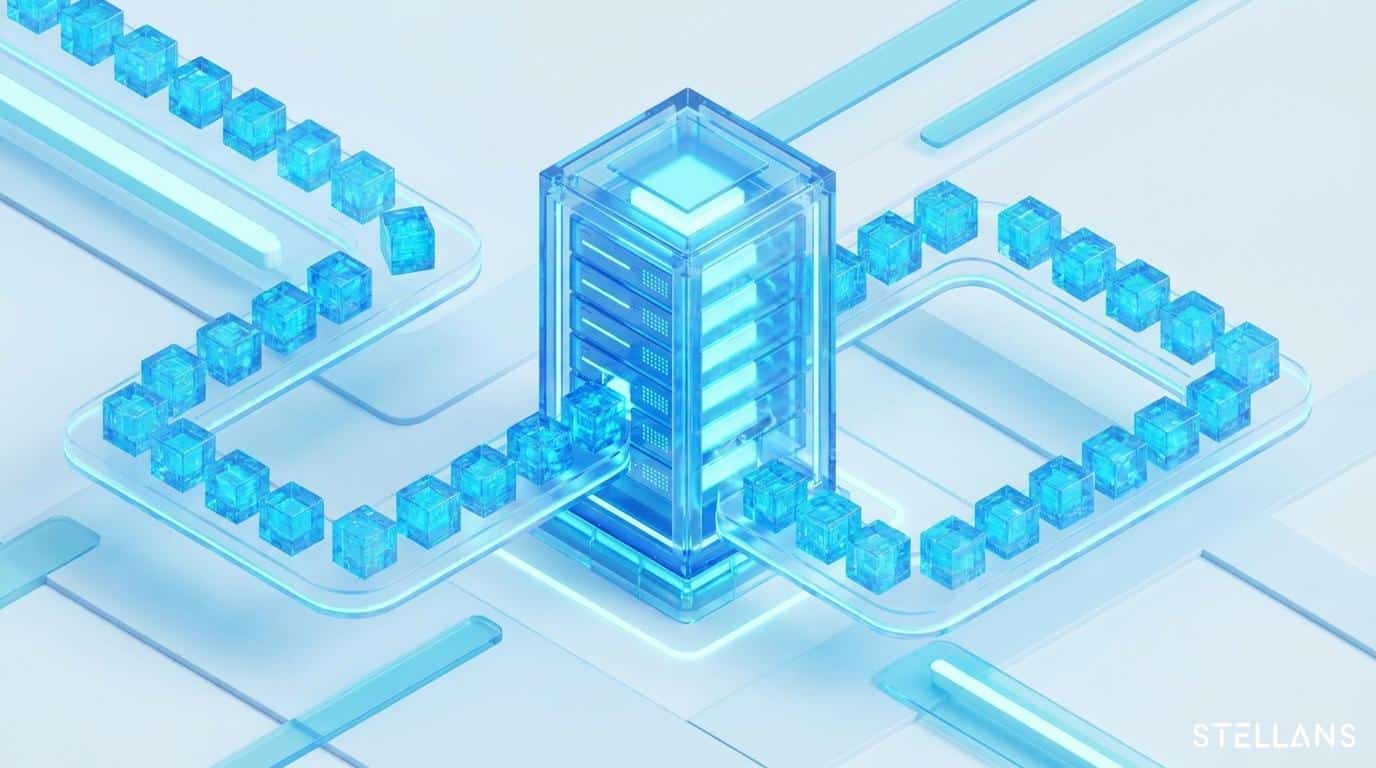
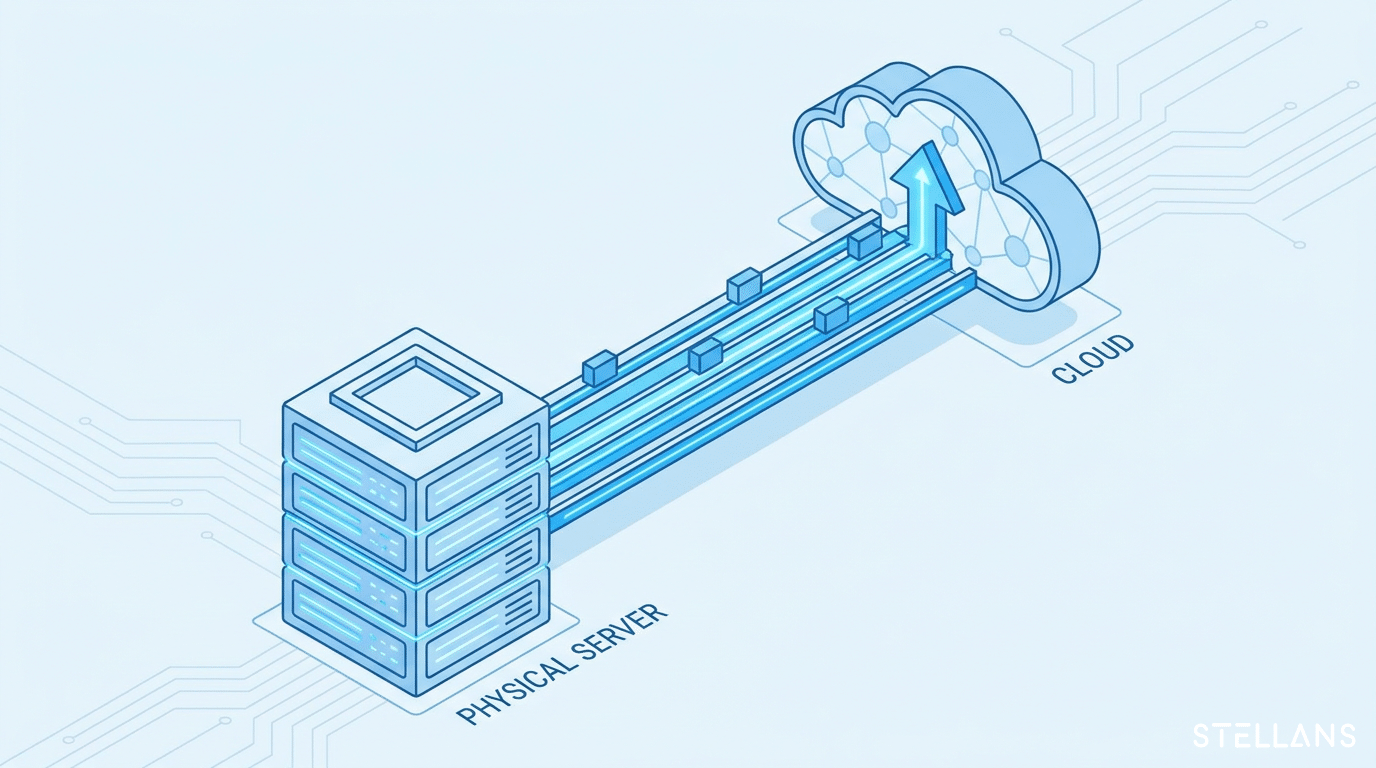
Designing a real-time data pipeline on cloud infrastructure requires a complete processing flow layout mapping data paths from source events into Snowflake using dynamic pipelines. The goal is to move information seamlessly from its origin to a single source of truth for your business.
Processing Flow Layout: From Source Events to Snowflake
To understand the mechanics of a high-throughput system, we must trace the data journey step by step. Our approach to dynamic pipelines involves a carefully orchestrated sequence of modern data tools.
First, the journey begins at the source. This could be a transactional database, an IoT device network, or a customer-facing web application. These sources generate continuous event logs. We capture these logs immediately and route them into an event streaming buffer. We highly recommend utilizing the Apache Kafka event streaming platform for this layer. Kafka acts as an ultra-durable shock absorber, holding onto millions of events securely even if downstream systems momentarily slow down.
From the streaming buffer, data must ingest into the cloud data warehouse rapidly. Instead of waiting for large files to accumulate, we implement direct streaming connections. The data flows directly from the Kafka topics into the landing zone tables within the warehouse. Once the raw data lands, we trigger instantaneous transformations.
We utilize dbt (data build tool) to orchestrate these transformations. The raw event data is cleaned, joined with historical context, and modeled into business-ready formats. Finally, this transformed data feeds directly into semantic models connected to your BI tools. The entire process, from a customer clicking a button to a CEO seeing a revenue spike on a dashboard, occurs in a matter of milliseconds. We streamline this complex architecture so your team can focus on analyzing the data rather than managing the servers.
Moving Beyond Lambda Architectures
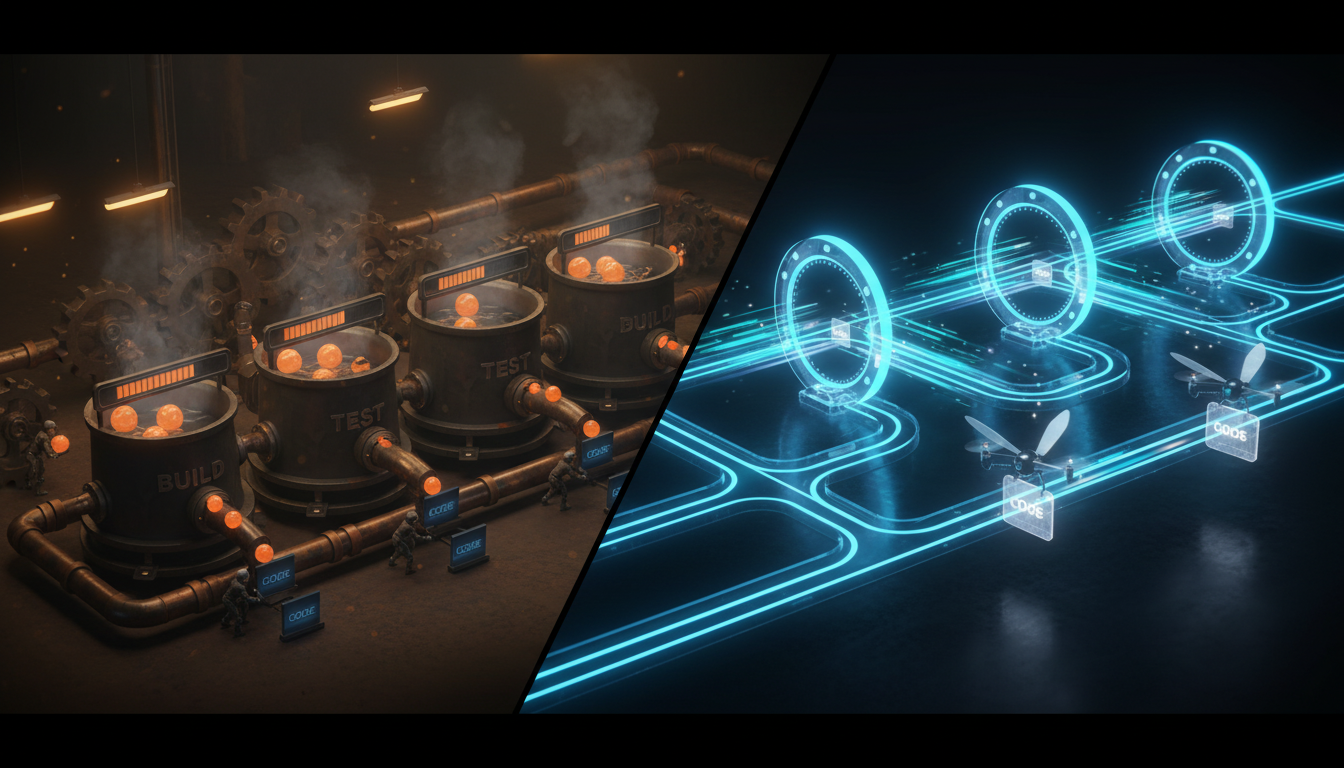
Modern cloud-native patterns empower data engineers to streamline their workflows effortlessly. Moving beyond traditional Lambda architectures eliminates the need to build and maintain two parallel pipelines for real-time and historical data. A unified approach flawlessly processes rapid streaming events alongside highly accurate batch information. This elegant methodology drastically simplifies maintenance by allowing engineers to write and update business logic within a single, cohesive codebase.
We champion Kappa-like architectures driven by Change Data Capture (CDC) integrations. CDC monitors your source databases for any insert, update, or delete commands. It immediately translates these database changes into a real-time event stream. By utilizing CDC, you eliminate the need for parallel batch pipelines. Every single change flows through one unified, real-time data pipeline. This dramatically reduces code maintenance, lowers the risk of logic discrepancies, and ensures that your BI tools always reflect the exact current state of your operational systems.