When planning a legacy system migration, organizations typically evaluate two primary approaches. The first is the “Lift-and-Shift” method, also known as rehosting. The second is Re-Architecting, also known as refactoring. Understanding the distinction is vital for long-term success.
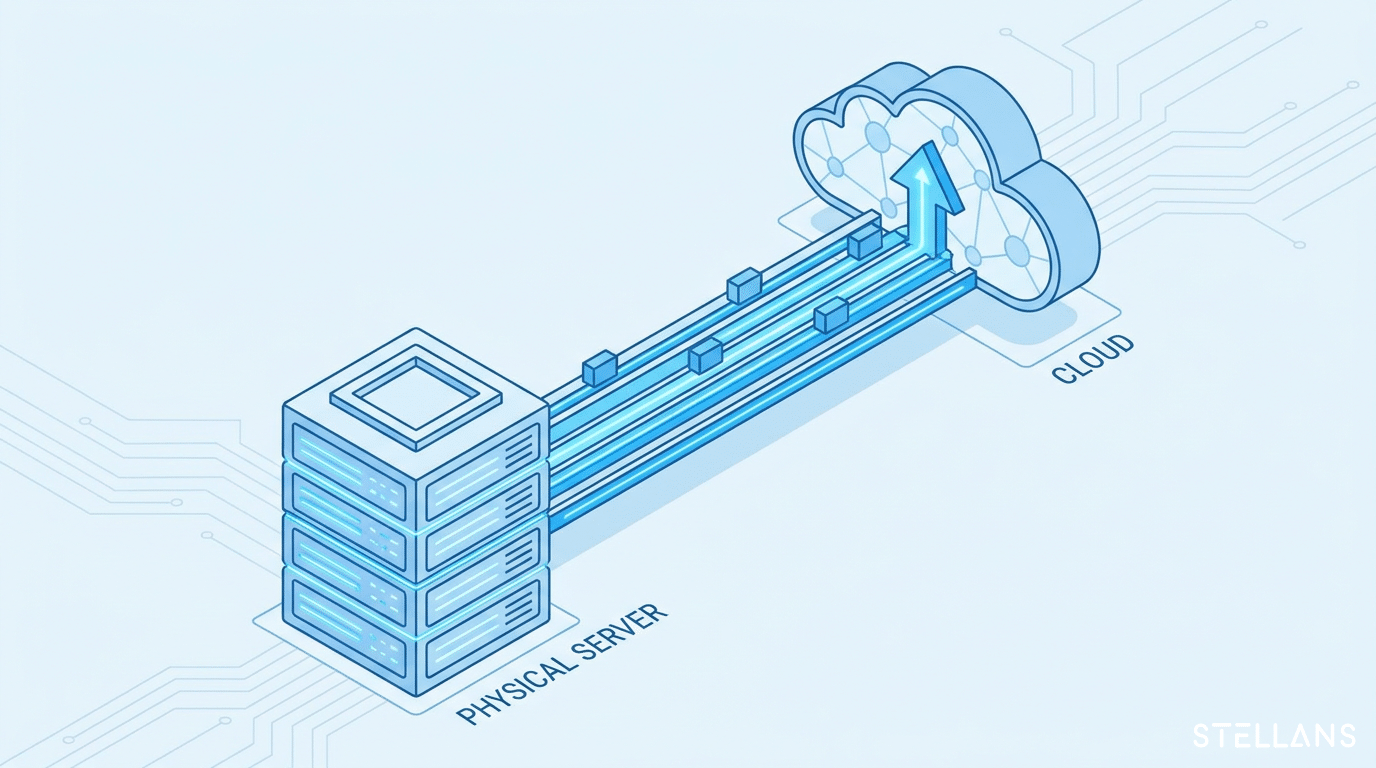
Lift-and-Shift involves moving your existing database systems directly to cloud-based virtual machines. The architecture remains the same while keeping the underlying code intact. While this approach is fast, organizations often seek deeper modernization to capture true cloud benefits. True cloud optimization involves addressing existing bottlenecks rather than moving them to a new data center.
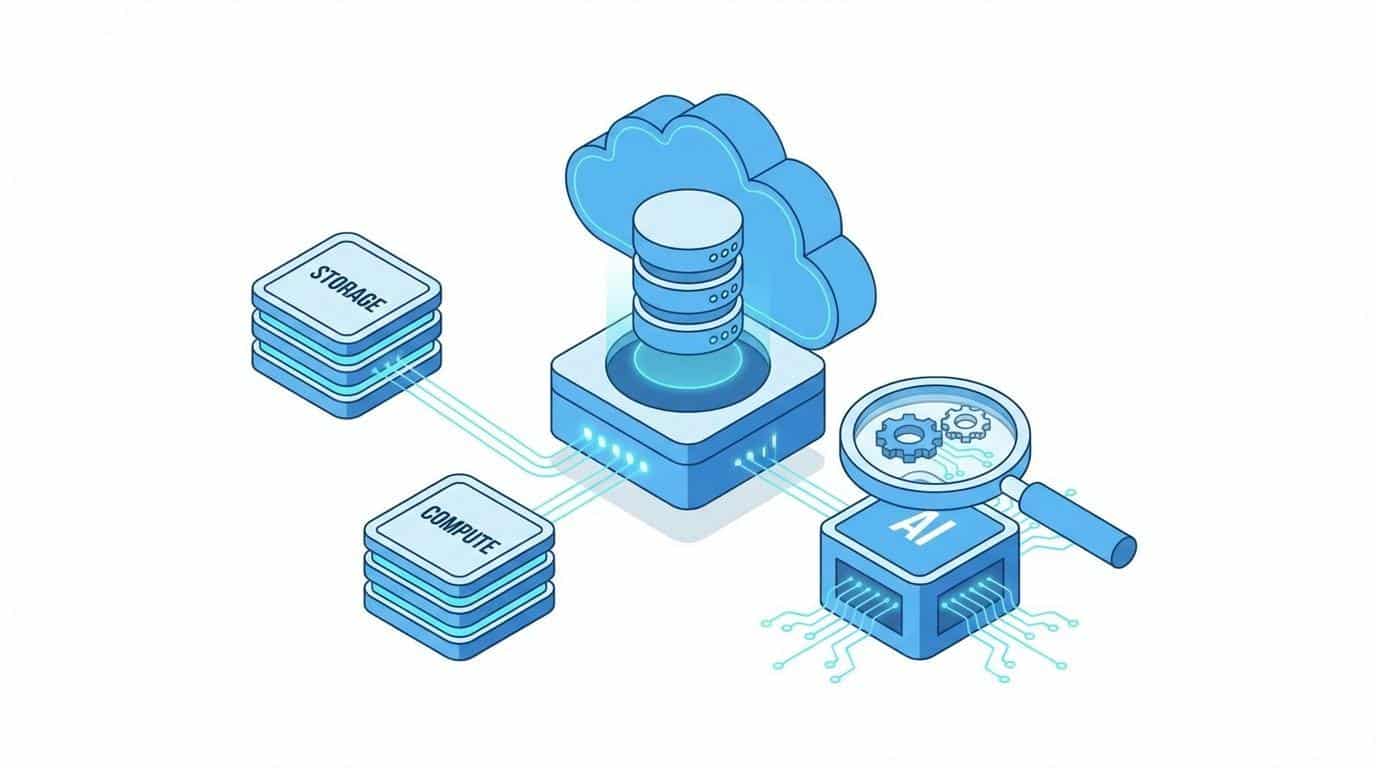
Re-Architecting involves redesigning your data ecosystem to leverage cloud-native services. This means transitioning from legacy relational databases to modern columnar cloud data warehouses. It involves rebuilding legacy ETL jobs into modern ELT pipelines. While re-architecting requires more upfront effort, it delivers exponential returns in performance and scalability. We strongly advocate for strategic re-architecting during cloud warehouse modernization. We build scalable systems that fuel continuous innovation.
Ensuring Migration Data Integrity and Analytics Uptime
Maintaining continuous business operations is paramount during any migration. Phased cutovers provide a reliable alternative to traditional big-bang approaches. A phased strategy ensures you always have a fallback by keeping systems running in parallel. This approach provides ample room to fine-tune the transition. Thorough data mapping ensures your business retains full reporting capabilities throughout the process.
Continuous analytics uptime protects your financial performance. Supply chain managers rely on this uptime to track inventory accurately. Financial teams depend on it to close the books on time. Marketing teams use it to measure campaign performance continuously. Furthermore, a careful, phased migration prevents silent data issues. Ensuring every record transfers correctly builds strong organizational trust in the new system.
We secure your success through a phased, parallel approach. We choose methodologies that prioritize safety over big-bang transitions. We implement strategies that guarantee continuous business operations. We ensure that your downstream consumers enjoy uninterrupted daily reporting.
Practical Strategies for Safe Parallel-Run Synchronization
To verify data integrity before the final cutover, you must run your legacy and cloud systems simultaneously. This parallel-run synchronization is the most critical phase of the migration. It allows you to validate every single row of data without impacting production workloads.
Here is our step-by-step practical strategy for executing a flawless parallel run:
1. Implement Change Data Capture (CDC) Real-time CDC pipelines offer superior performance over traditional overnight batch ETL jobs. We establish continuous CDC pipelines to eliminate time lags between your source systems and data warehouse. CDC tools effectively monitor the transaction logs of your operational databases. They capture every insert, update, and delete in real time. This ensures your target cloud warehouse perfectly synchronizes with your legacy source.
2. Establish Dual Ingestion Streams During the parallel run, we route data from your source systems to both destinations. The legacy data warehouse continues to receive its standard batch updates. Simultaneously, the modern cloud warehouse receives continuous updates via the CDC pipeline. Both systems now contain the same raw data.
3. Replicate Business Logic We execute your daily analytical transformations on both platforms. The legacy system uses its existing stored procedures. The cloud system uses modern transformation tools. This step proves that the new cloud architecture can successfully reproduce all required business logic.
4. Execute Automated Data Validation This is where we verify data integrity. We build automated validation scripts that query both systems simultaneously. These scripts perform three critical checks:
- Row Count Validation: We compare the total number of records in the legacy tables versus the cloud tables. A precise match guarantees pipeline success.
- Referential Integrity Checks: We verify that primary and foreign key relationships remain intact in the new environment.
- Hash Metric Comparison: We aggregate financial columns and generate cryptographic hashes of the results. We compare the hashes between the two systems. If the hashes match exactly, we know the data is perfectly synchronized.
5. Conduct Shadow User Acceptance Testing (UAT) We route a subset of automated BI dashboard queries to the new cloud warehouse. The end users experience seamless reporting during this transition. We monitor the query performance and accuracy to guarantee optimal results. We resolve any discrepancies proactively in the background.
Once the validation engine reports 100% accuracy for an extended period, we perform the final cutover. We simply deprecate the legacy ingestion streams. This methodology ensures uninterrupted analytics uptime. It guarantees perfect data fidelity.