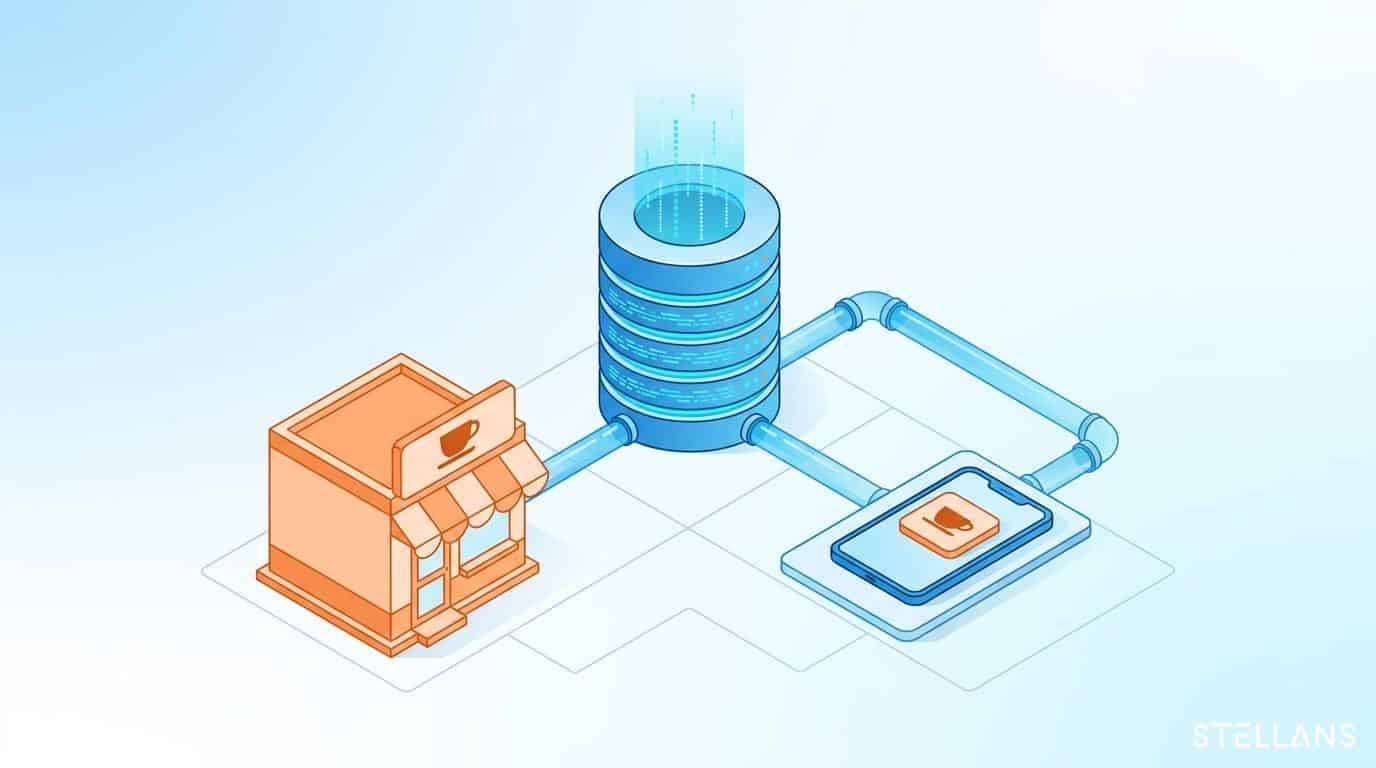
Building a resilient and successful architecture requires a comprehensive end-to-end pipeline, rather than narrowly focusing on the core algorithm. We view the data pipeline as a highway. The algorithm is just the engine inside the car. You need solid roads to reach your destination. The full recommendation pipeline contains six distinct stages.
The Events stage forms the absolute bedrock of your system. It captures clicks, page views, and cart additions constantly. We ensure this data streams into your warehouse flawlessly. Building a successful model relies on pristine and real-time event data. Every single interaction holds predictive value.
The Features stage transforms raw events into intelligent signals. We create rich user profiles based on historical actions. We also parse product metadata meticulously. These features feed directly into the machine learning models. High-quality features ensure your model understands every click perfectly, keeping your pipeline clean and accurate.
Feature engineering dictates the true intelligence of your system. Transforming raw clicks into meaningful behavioral profiles is essential before feeding them into an algorithm. We categorize features into three distinct buckets. First, we have user features. These include demographic data and historical purchase frequencies. Second, we have item features. These cover product categories, price points, and seasonal tags. Third, we have context features. These track the device type, time of day, and current weather. A robust pipeline updates these features continuously. If a user buys a premium watch, their specific price affinity feature updates instantly. We architect these feature stores to serve data with ultra-low latency. High-quality features ensure your model understands the context behind every click.
Candidate Generation must operate with extreme efficiency. A catalog might contain millions of distinct items. Candidate generation uses lightweight algorithms to filter this massive pool efficiently, since scoring every single item for every user requires too much processing time. It selects a few hundred highly probable items quickly.
The Ranking stage applies heavy computational power. It uses deep learning or matrix factorization to score candidates. This stage assigns a precise relevance probability to each item. The highest scores represent the most likely purchases.
The Business Rules engine acts as your commercial safeguard. Algorithms focus strictly on mathematical relevance probabilities. Applying human-defined logic bridges the gap that raw math leaves open. Safeguarding your profitability requires rule engines that intercept anomalies like recommending negative-margin televisions. Rule engines also maintain contextual relevance by preventing suggestions like winter coats during a summer heatwave. We build rule engines to handle these scenarios perfectly. You can inject hard filters to remove out-of-stock items instantly. You can apply soft multipliers to boost house brands. You can cap the number of items shown from a single vendor. This level of control guarantees excellent user experiences. It ensures the machine learning aligns perfectly with your merchandising strategy. We design user-friendly interfaces for these rules. Your marketing team can adjust parameters without writing any code.
Finally, the Serving stage requires robust infrastructure. It must deliver the final list to the frontend in milliseconds. Fast APIs preserve the user experience, while slow deliveries disrupt it completely. We engineer serving layers that withstand massive traffic spikes. A highly optimized pipeline processes data instantly. It reacts immediately when a customer adds an item. This speed directly influences your cart addition rates.
We help retail teams construct this entire foundation. A solid pipeline guarantees reliable and scalable personalization. You need infrastructure that handles traffic spikes gracefully. We build these robust systems for you. Check out our scalable data infrastructure solutions to learn more. A robust pipeline eliminates costly downtime during peak seasons. It ensures your machine learning models always have fresh data. The outcome is simple: higher engagement and increased revenue.