ETL vs ELT: Why Modern Cloud Warehouses Favor ELT

9 minutes to read
Get free consultation


Optimizing your architectural approach eliminates the burden of lengthy nightly batch processes. Modern pipelines handle pressure well, freeing data teams from the constant server maintenance and delayed analytics associated with legacy systems. We aim to help you build a stronger foundation. With the rise of the modern data stack, modern cloud warehouses now make “Extract, Load, Transform” the undisputed standard for cloud data integration. This shift builds a well-oiled data machine: it drives faster insights and creates scalable technical realities.

Back to Basics: Defining ETL and ELT

Before debating pipeline architecture, we need to clarify what these acronyms actually mean in practice. The differences dictate how your organization approaches data transformation strategies.

What is ETL (Extract, Transform, Load)?

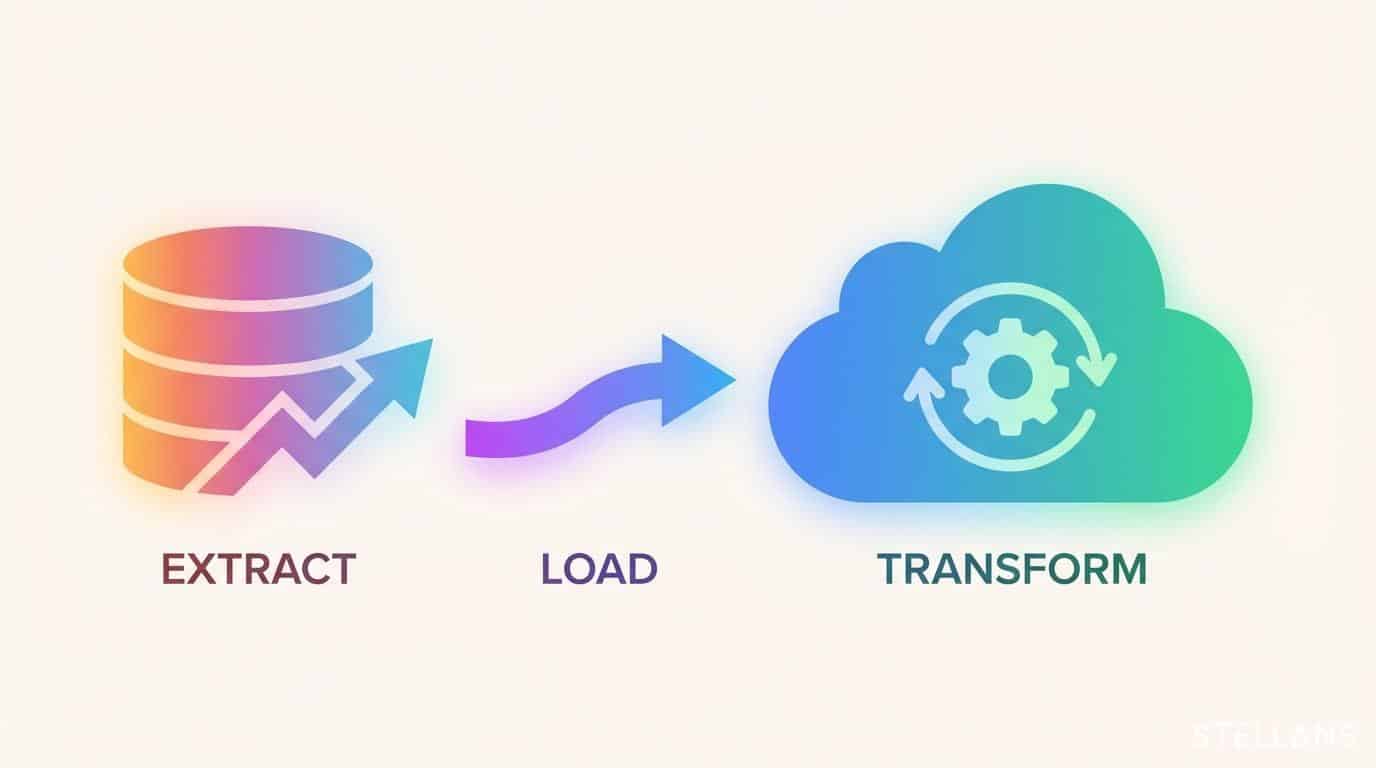
ETL stands for Extract, Transform, and Load. In this sequence, data is extracted from the source, transformed on a dedicated server, and finally loaded into the target data warehouse.

Historically, this sequence evolved out of pure necessity. Legacy on-premise warehouses were expensive: computing power and storage were highly constrained. To save warehouse server costs, data engineers pre-aggregated and transformed raw data on separate ETL servers before insertion. This kept the warehouse efficient, but it created brittle pipelines. Streamlined modern operations prevent the heavy maintenance overhead and entirely new deployments previously required by any schema update.

What is ELT (Extract, Load, Transform)?

ELT stands for Extract, Load, and Transform. We extract data from the source, dump the raw data first into the target destination, and apply elastic warehouse compute later to execute transformations.

Cloud computing reinvented the sequence. Since modern warehouses offer near-limitless storage capacity, we can confidently store rich historical datasets directly, without pre-aggregating data, to save space. We load raw data directly, preserving a historical source of truth. The transformation happens natively within the warehouse using pure SQL. This accelerates data availability while reducing tool dependency.

How Cloud Compute Flipped the Data Integration Script

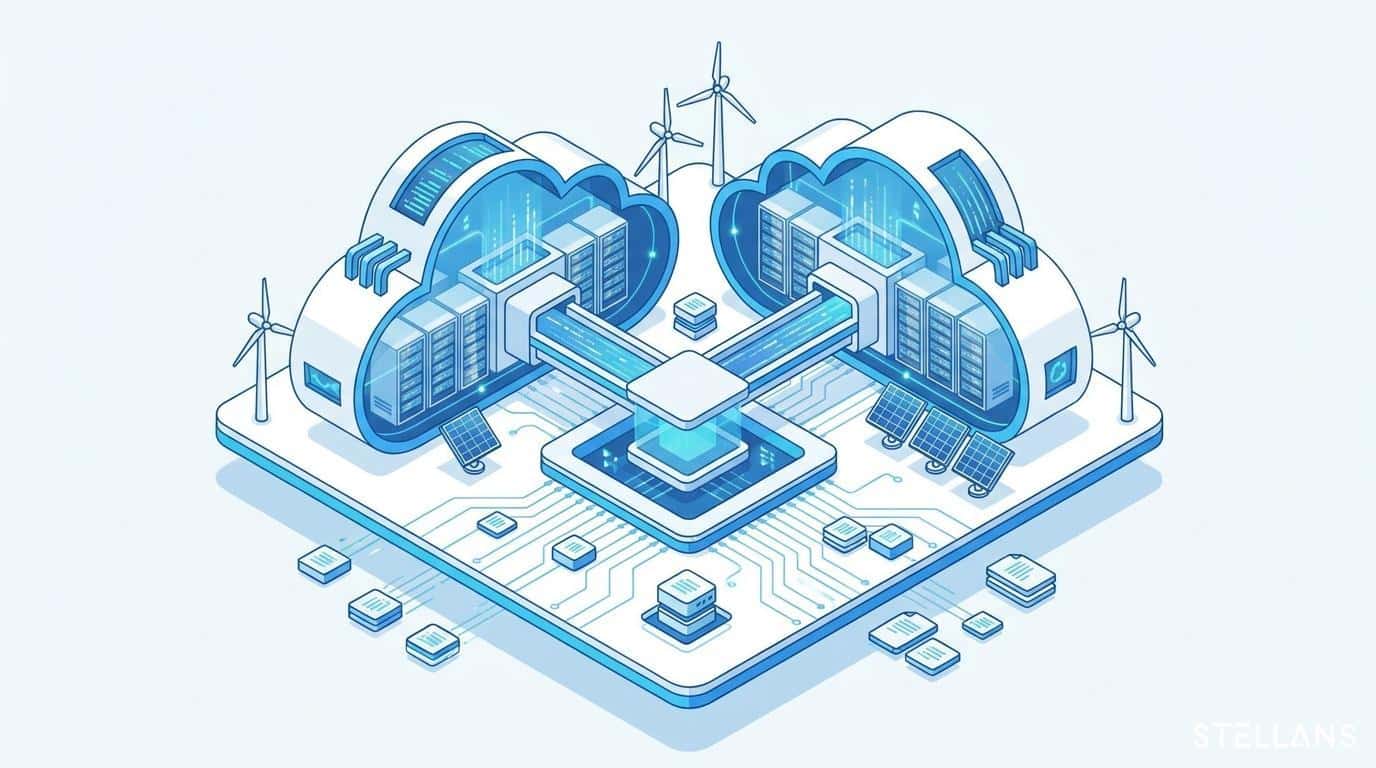
The fundamental mechanism behind this shift relies on how cloud vendors engineer their data platforms. They unlocked rapid analytics by separating storage scaling from compute execution.

Decoupled Storage and Pipeline Speed

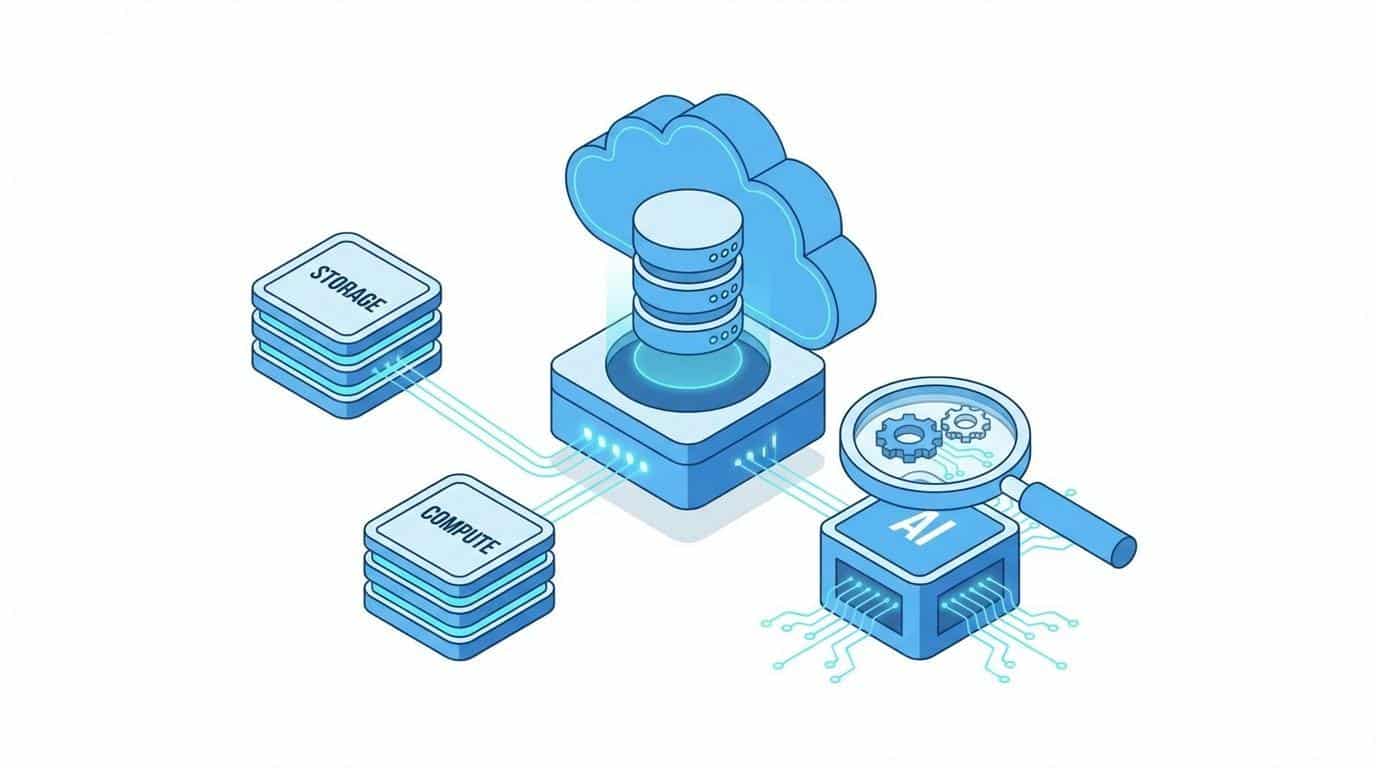
Platforms like Snowflake and BigQuery separate storage from query processing. This architecture fundamentally flipped data loading limitations. Since storage is exceptionally cheap, you gain the freedom to analyze raw data without aggregating it prematurely. You pay only for the compute used during active queries.

Understanding this decoupled compute and storage in modern cloud architecture reveals why ELT is highly scalable. You dump entire databases into robust tabular formats without slowing down front-end analytical queries. Ultimately, decoupled operations maximize pipeline speed.

The Rise of the Modern Data Stack

This architectural flip paved the way for the Modern Data Stack. The modern ecosystem revolves around specialized modular tools. We rely on cloud-first ingestion tools (like Fivetran or Airbyte), powerful cloud warehouses (like Snowflake), and dedicated transformation layers (like dbt).

Together, these components solve the massive audience pain point of slow data pipelines. Offloading raw data extraction to automated connectors successfully eliminates bottlenecks. Your engineering teams transform data efficiently inside the warehouse, significantly empowering downstream analysts.

Solving Heavy Overheads: The Business Value of ELT

Migrating from ETL to an ELT vs ETL pipeline represents both a powerful technological upgrade and a strategic business decision. It directly impacts your bottom line.

Eliminating Rigid Transformations

Flexible ELT architectures improve significantly upon rigid, GUI-based ETL configurations. Modern ELT pipelines seamlessly handle upstream application changes that would otherwise break a legacy pipeline. Adaptable architecture bypasses the complex server interventions and costly redeployments typical of older systems.

Comparatively, ELT allows for agile, pure-SQL transformations. Because raw data lands securely in the warehouse first, downstream schema adjustments do not break the extraction process. Teams iterate quickly: they test and deploy analytics logic without pausing the inbound data flow.

Slashing Maintenance Overhead

Automated cloud data platforms reclaim the critical engineering hours previously spent managing legacy ETL servers. Your team’s experience seamless scaling, bypassing the days spent ensuring systems survive heavy data loads. Fully managed cloud connectors operate securely in the background, handling API changes and scaling seamlessly without manual server management.

In our experience, migrating clients to this stack generates huge time savings. We regularly see organizations reducing maintenance overhead by 60%, freeing up architects to build advanced AI and analytics models instead of maintaining generic pipelines.

Top Data Transformation Strategies in an ELT World

Transitioning to ELT changes team topologies. It effectively bridges the gap between software engineering and data analytics. As data teams adopt these modern platforms, new specialized concepts take root.

DataOps and dbt

In an ELT environment, transformations happen directly within the data warehouse. To manage these, teams are widely adopting analytics engineering and data transformation as code. This involves using tools like dbt to treat SQL like modern software.

By combining DataOps methodologies with modular SQL files, analytics engineers enable CI/CD practices directly on the warehouse. Data transformation strategies now include strict version control, automated testing, and scalable documentation. The business impact is immense: dbt ensures error-free reporting and high data quality.

{{ config(
    materialized='incremental',
    unique_key='transaction_id'
) }}

select
    transaction_id,
    customer_id,
    transaction_date,
    amount,
    currency
from {{ source('raw_stripe', 'payments') }}

{% if is_incremental() %}
  where transaction_date >= (select coalesce(max(transaction_date), '1900-01-01') from {{ this }})
{% endif %}

When to Still Use ETL: Compliance and Complex Realities

The ELT vs ETL pros and cons strongly favor ELT, yet certain hybrid scenarios still benefit substantially from ETL methodologies. Architectural requirements dictate that specific environments rely on traditional extraction and pre-transformation steps.

Extreme On-Premise Mainframe Complexity

Large enterprise clients sometimes operate entirely on isolated legacy mainframes. Migrating complete internal structures requires specialized approaches because standard ELT connectors operate differently. In these scenarios, traditional ETL tools accurately parse mainframe formats before integrating data into the cloud. We often lean on hybrid real-time architectures to handle these extreme transitional phases.

Regulatory and Masking Requirements

Highly regulated industries, such as healthcare environments dealing with HIPAA or European banks navigating GDPR, face rigorous compliance limits. They demand strict data masking requirements. Personally Identifiable Information (PII) must be anonymized before it ever lands in a centralized cloud environment.

In these precise scenarios, an ETL layer is essential. We transform and clean sensitive data in transit, ensuring compliant PII masking before executing the final cloud load.

The Stellans Perspective: Real-World Data Integration

We work with you to unlock data potential, acting as your technical translator. We carefully tailor every toolset to your organization, assembling platforms that deliver clear outcomes. When migrating a legacy infrastructure, we build comprehensive bridges that securely elevate your capabilities.

Fivetran & Snowflake in Action

We focus intensely on building reliable data highways. For example, our approach to data integration with Fivetran and Snowflake removes extraction bottlenecks and accelerates analytics time-to-value.

Fivetran efficiently handles the rapid extraction of disparate sources. Snowflake scales compute elastically, crunching massive transformations in seconds. Through this strategic implementation, clients report significant ROI: faster insights, lower costs, and zero manual server upkeep. We assemble these toolkits specifically to empower your internal analytics culture.

Take the Next Step

Ready to eliminate slow data pipelines and unlock agile analytics? We engineer scalable systems that fuel innovation. Let us assess your current architecture and guide your transition to a modern ELT ecosystem. Reach out to Stellans to start building your well-oiled data machine today

Conclusion: Making the Move to Modern ELT

The transition from ETL to ELT brings massive strategic advantages beyond a simple tooling update. It changes how you leverage information. Cloud computing dismantled the necessity of heavy transformation servers, replacing them with agile, code-first data environments.

By prioritizing flexible ELT frameworks, you eliminate brittle deployments and massively accelerate pipeline speed. You secure powerful historical data stores while managing transformations efficiently with modern DataOps practices. Embracing this architectural evolution allows you to focus engineering resources strictly on advanced growth initiatives.

Frequently Asked Questions

What is the difference between ETL and ELT? ETL (Extract, Transform, Load) aggregates and alters data on a secondary server before loading it into a destination warehouse. ELT (Extract, Load, Transform) simplifies this by loading raw data directly into the cloud warehouse first, performing pure-SQL transformations natively using elastic warehouse compute capability.

When should I use ETL vs ELT? You should choose ELT for almost all modern cloud integration scenarios to maximize scaling, pipeline speed, and agility. You should still use ETL when you must adhere to strict compliance laws that demand PII data masking before data storage, or when parsing extremely complex on-premise mainframe structures.

Why do modern cloud warehouses prefer ELT? Modern cloud warehouses prefer ELT because they decouple storage and compute processing. Storage is highly inexpensive, allowing raw data dumping without friction. Compute is elastic, efficiently managing powerful transformations in-place without the constant maintenance overhead of external dedicated servers. .

References

Article By:

https://stellans.io/wp-content/uploads/2026/01/leadership-2.jpg
Anton Malyshev

Co-founder

Related Posts

    Get a Free Data Audit

    * You can attach up to 3 files, each up to 3MB, in doc, docx, pdf, ppt, or pptx format.