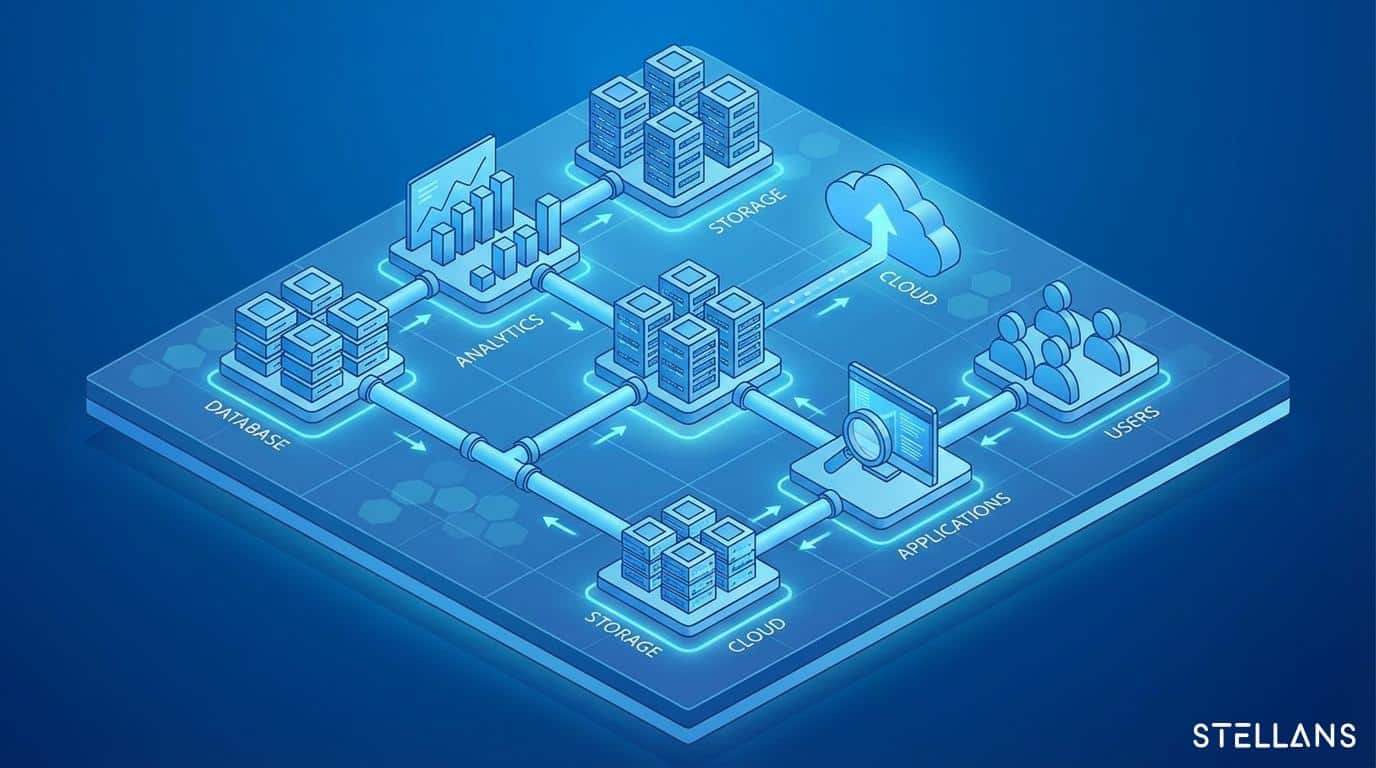
Securing compliance requires more than just buying a data catalog. We help clients navigate this common challenge effectively. Companies can achieve real results by pairing their expensive software platforms with strong operational processes, rather than expecting tools to work magically. A successful compliance strategy recognizes that software is simply a tool. True compliance requires tangible administrative, physical, and technical safeguards. We work with you to unlock data potential safely. We turn abstract privacy rules into a well oiled data machine.

Data Governance Tools for HIPAA and GDPR Compliance: Implementation Guide
14 minutes to read
November 9, 2026