The Unified Data Layer
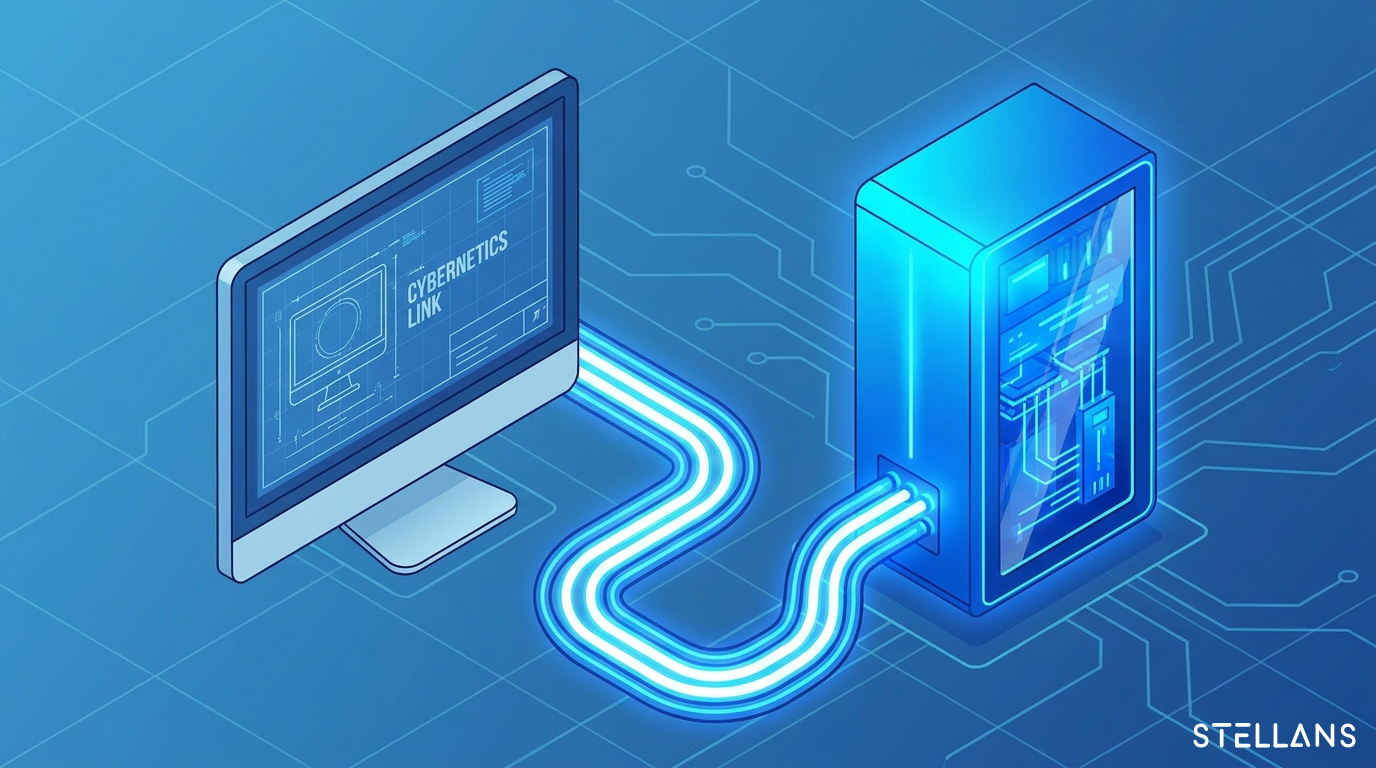
Think of your data pipeline as a well-oiled highway transporting information across different systems. The first step in creating conversational AI is merging isolated data silos.
We consolidate forum histories, historical support tickets, and knowledge base (KB) articles into one unified data layer. This centralized foundation ensures the AI models have a comprehensive understanding of how current community members communicate. By breaking down data silos, we empower the system to reference prior solutions accurately.
Draft Generation via Retrieval-Augmented Generation (RAG)
Retrieval-Augmented Generation, commonly known as RAG, is how we ground generative models in real community history. RAG pulls specific, verified documents from your unified data layer before drafting a response to ensure superior accuracy over relying solely on basic training data.
This significantly increases factual accuracy and reliability. Because the AI is retrieving verified resolutions from your own historical support tickets, the generated drafts are highly accurate. RAG essentially forces the system to read your internal manual before speaking to a customer.
Moderation and Tone Safety Filters
Safety is critical when deploying automated replies in public brand community spaces. We implement aggressive moderation filters directly after the draft generation phase.
These programmatic filters review the text for aggression, compliance risks, or internal data leaks. The system actively protects your platform by blocking any generated draft that violates established tone safety parameters. It then alerts a human moderator or triggers a fallback generation loop. This guarantees that your brand community design remains untarnished by erratic automated behavior.
Recommender Engines for Conversational Variety Matching
This is where true humanization occurs. To infuse conversational variety, we apply custom [Recommender Engines] (https://stellans.io/recommender-engines/). These sophisticated engines focus exclusively on recommending tailored conversational tones that fit the user.
Our models analyze the specific user’s history and the current forum context. The engine then selects the correct system voice to match that precise moment. If a user is highly technical, the engine enforces a direct, code-heavy structure. If the user appears frustrated, conversational variety matching ensures the phrasing attempts a more empathetic, step-by-step approach.
Live Discussion Integration
The final step is closing the loop securely. The system model guarantees absolute safety by consistently enforcing structural safeguards before posting answers to the public. We structure live discussion integration in two distinct ways.
First, the system can post drafts into a private queue for moderators to quickly approve. Alternatively, if confidence scores are exceptionally high, it can post directly to the live feed. We consistently require the system to visibly tag itself as an AI assistant to champion transparency. This builds trust while delivering immediate value to the user.