An Introduction to Data Analytics for Modern Businesses

11 minutes to read
Get free consultation


Empowering your strategic choices with organized information guarantees success. Imagine navigating a busy intersection with perfect visibility. The modern business environment moves relentlessly fast. Supporting your intuition with solid data prevents costly errors. Leaders can quickly learn to extract actionable meaning from raw, complex numbers. We work with you to unlock data potential.

This guide serves as your neutral consultant and strategic partner. We will use clear and simple language. We will explain core definitions, highlight the most popular software tools, and share actionable roadmap steps. Our goal: your measurable business transformation. You will learn how to turn isolated numbers into a well-oiled data machine. By the end of this journey, you will be prepared to transition confidently to the best solutions. You will understand how to drive concrete ROI through custom business intelligence implementation. Let us build your confidence together.

What is Data Analytics?

Defining the basics prepares us nicely for advanced topics. Understanding the foundation of modern business intelligence sets you up for long-term success. The proper framework positions your organization to scale efficiently over time.

Definition and Business Importance

Marketing and business professionals often ask a fundamental question. What is data analytics? Broadly, it is the discipline of analyzing raw information to uncover trends and answer specific questions. It bridges the gap between chaotic numerical inputs and clear strategic vision. We help organizations interpret these signals effectively.

Why is this process essential for your business today? It empowers leaders to make concrete, data-driven decisions. Relying on factual evidence replaces guesswork with certainty. Companies that adapt quickly stay ahead of their competitors. Implementing robust analytics structures provides a verifiable competitive advantage. It improves your marketing ROI, streamlines operations, and uncovers hidden revenue streams. Clients report 40% faster insights post-implementation.

Data Analytics vs. Data Analysis vs. Data Science

These terms are frequently used interchangeably. They represent distinctly different functions within a business environment, however. Understanding these differences clarifies your hiring and software needs.

Data analysis is a highly focused process. It involves inspecting, cleaning, and modeling a specific, singular dataset. Its goal: discovering useful information for a specific, isolated problem.

Data analytics is the overarching strategy. It encompasses the entire ecosystem of data management. This includes the tools, the personnel, the automated pipelines, and the broader business intelligence framework. Think of the data pipeline as a highway. Analytics is the entire transportation network.

Data science takes the ecosystem several steps further. It relies heavily on advanced coding, custom machine learning, and complex algorithmic design. It requires specialized data engineers to build predictive models from scratch. Our expertise covers all three areas comprehensively.

The 5 Types of Data Analytics Explained

Business intelligence provides highly adaptable solutions for every organization. It exists on a spectrum of complexity and business value. Modern organizations typically progress through five distinct stages of analytical maturity. Each stage answers a fundamentally different question about your organizational health.

Descriptive Analytics (What happened?)

Descriptive analytics forms the foundation of all reporting. It answers a simple question: what happened in the past? This type looks backward at historical activity to identify trends over a specific time period.

Most traditional business intelligence relies heavily on this approach. Typical examples include monthly sales reports, basic website traffic metrics, and quarterly revenue statements. These metrics provide a necessary baseline for understanding your current operational status. Knowing what happened provides a great first step. Adding context to these events drives immediate operational changes.

Diagnostic Analytics (Why did it happen?)

Once you know what happened, you naturally seek the cause. Diagnostic analytics answers the next logical question: why did it happen? This phase involves deeper investigation and advanced data discovery.

Analysts use techniques like drill-down, data mining, and correlation analysis. Diagnostic reports isolate the root cause whenever you need to understand performance shifts. Perhaps you discover a key supplier delayed shipments significantly. Maybe a new competitor launched an aggressive marketing campaign. By combining multiple data sources, you uncover the specific variables influencing your desired outcomes. This deeper understanding ensures long-term operational success.

Predictive Analytics (What will happen next?)

The third phase shifts the focus from the past to the future. Predictive analytics answers a highly valuable question: what will happen next? This advanced stage utilizes historical patterns to forecast future events.

It heavily relies on statistical modeling and early forms of machine learning. Retailers use predictive models to forecast seasonal demand surges. Manufacturers use it to predict equipment failures and maintain smooth operational uptime. Marketing teams use it to estimate customer lifetime value. It significantly narrows the margin of error and provides highly reliable forecasts.

Prescriptive Analytics (What should we do?)

Prescriptive analytics is the pinnacle of traditional business intelligence. It answers the most critical strategic question: what should we do? It actively recommends the best course of action alongside forecasting outcomes.

This type utilizes complex algorithms and computational modeling. For example, a prescriptive supply chain tool will predict a delay and immediately suggest three alternative shipping routes. It calculates the financial impact of each option. This allows decision-makers to choose the most cost-effective path instantly. This level of maturity transforms an organization into a highly proactive entity.

Augmented Analytics (The role of AI and GenAI in 2026)

The data landscape is shifting rapidly in exciting ways. Augmented analytics introduces artificial intelligence natively into the evaluation process. By 2026, Generative AI (GenAI) will dominate modern business intelligence platforms.

This approach automates the preparation, the insight generation, and the explanation processes. Users will access insights effortlessly without writing complex SQL code. They will simply ask a conversational question in plain English. The AI engine will instantly query the systems, build the chart, and summarize the findings. Market growth in this sector is explosive. A recent Forrester report on business analytics growth indicates massive enterprise adoption of AI capabilities. Natural language processing makes complex insights entirely accessible to non-technical business users.
Popular Data Analysis Tools for Businesses

Choosing software represents an exciting step toward unlocking your data. We evaluate software by focusing on key advantages. We prioritize business outcomes and seamless user adoption.

Overview of BI Visualization Dashboards

Visualization tools are the face of your data strategy. They translate raw database text into intuitive charts and graphs. These dashboards allow executives to monitor key performance indicators (KPIs) at a single glance.

Power BI is a leading choice for organizations already utilizing Microsoft infrastructure. It integrates flawlessly with Excel and Azure environments. Tableau is highly regarded for its exceptional visual customization and capacity to handle massive datasets. Looker, acquired by Google, excels in highly governed, cloud-native environments. We work alongside our clients to select the interface that best matches their internal technical fluency.

Data Preparation and SQL Tools

Dashboards elegantly display what the underlying database provides. The heavy lifting happens quietly and efficiently in the background. Ensuring your foundation is solid guarantees your visualized outputs will be highly accurate. Clean information matters most.

Snowflake is a widely adopted cloud data warehouse. It offers immense scalability and isolates computing power from storage limits. Once the information is housed, it enters a streamlined transformation process. Tools like dbt (data build tool) allow analysts to transform text using simple SQL commands. Custom DataOps methodologies ensure error-free reporting systematically. They automate the testing process, ensuring only perfectly functioning pipelines reach your executive dashboards. Proper engineering acts as the unsung hero of enterprise intelligence.

How to Choose the Right Tool for Your Business Needs

With thousands of options available, you have incredible flexibility in your selection. The correct choice aligns perfectly with your specific business maturity. You can evaluate your long-term goals objectively to find the ideal fit.

First, match the framework to your current engineering talent. Keep to accessible, business-friendly frameworks if you are growing your engineering team. Second, consider your total data volume. A small marketing agency can thrive on lighter infrastructure compared to a global logistics firm. Finally, evaluate your budget carefully to maximize your investment. Focusing on transparent licensing costs supports steady growth as your user base expands. We always advise starting small, proving immediate ROI, and scaling resources strictly as needed.

How to Get Started with Data Analytics: A Beginner’s Roadmap

Implementation becomes a smooth and empowering journey with the right steps. Breaking the process down into manageable steps guarantees momentum. A structured approach ensures flawless deployment and fosters organizational buy-in.

Step-by-Step Implementation Guide

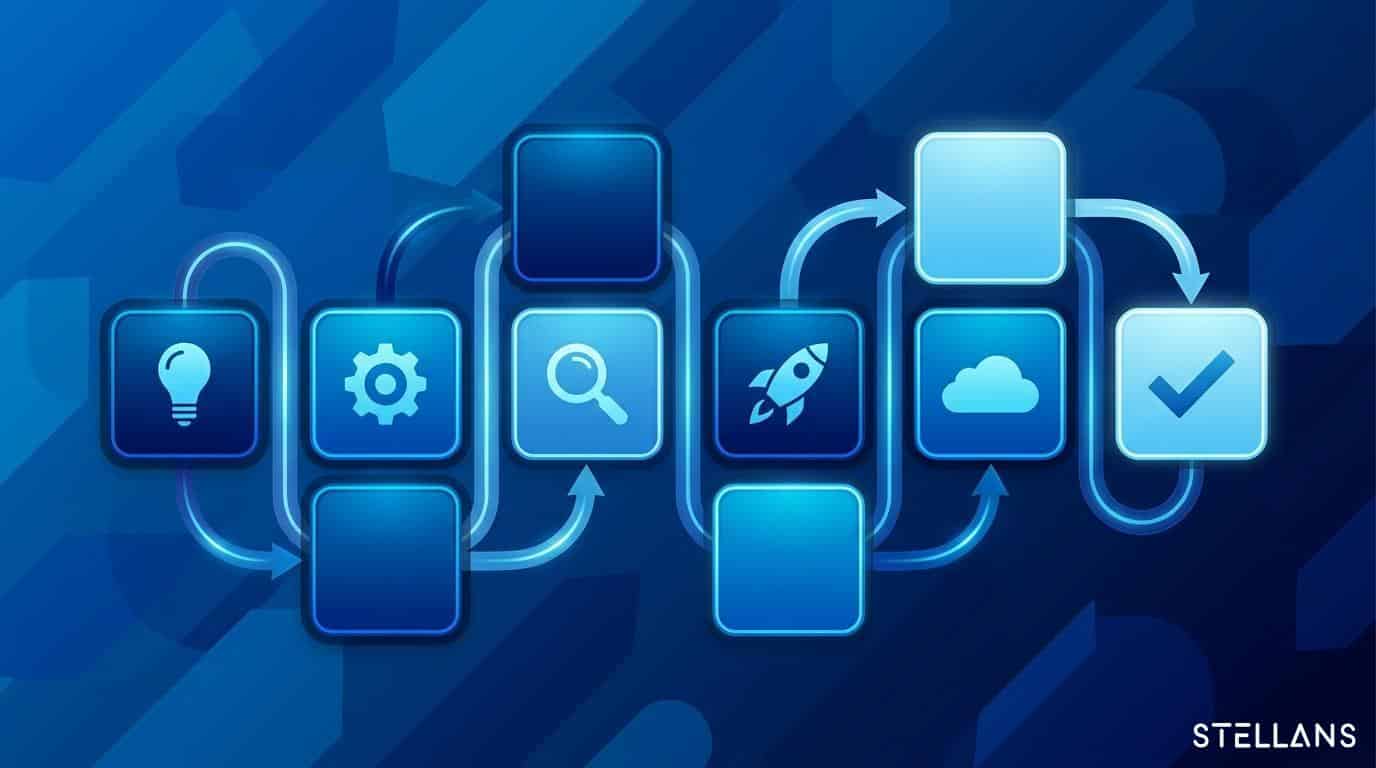
Our beginner roadmap simplifies the journey from scattered spreadsheets to a well-oiled database machine.

  1. Step 1: Define Your Business Goals. Collect data with a clear, strategic purpose. Establish three pressing business questions you need to answer.
  2. Step 2: Collect Relevant Information. Identify where the relevant numbers currently live. This might be your CRM, your website analytics, or your financial software.
  3. Step 3: Clean and Normalize. You can easily organize and standardize raw exports to ensure exceptional data quality. Removing duplicates, correcting formatting errors, and standardizing all columns creates a solid foundation.
  4. Step 4: Analyze and Model. Use your chosen platform to identify trends. Connect different sets of information to uncover deeper diagnostic insights.
  5. Step 5: Visualize the Results. Build clean, accessible dashboards. Use clear labeling and intuitive color coding for maximal clarity.
  6. Step 6: Take Decisive Action. Taking action brings the entire process to a successful conclusion. Use the insights to adjust your quarterly strategy effectively.

Moving from “Gut-Feel” to Data-Driven Decisions

Transitioning corporate culture effectively ensures the success of your new technology. Embracing data-driven methods is entirely possible with active leadership support. Employees will trust and prefer the new dashboards over their historical habits.

To bridge this specific gap, focus on small, visible wins initially. Solve a persistent daily annoyance for the marketing unit first. Once they see the tangible time saved, they will become your strongest internal advocates. Transparency builds deep trust. When employees clearly understand how the metrics are calculated, they embrace the new system enthusiastically. Constant education ensures long-term adoption rates remain extremely high.

Driving Business Insights Through Custom BI Implementation

Theoretical knowledge is helpful, and concrete execution generates significant revenue. Tailored business intelligence solutions directly and positively address your unique operational needs. Customizing your solution perfectly resolves specific enterprise complexities.

Real-World Business Cases

Consider marketing attribution as a strong advantage. Modern customer journeys span dozens of touchpoints before a final purchase. A custom-built dashboard aggregates ad spend from Google, LinkedIn, and Meta simultaneously. By connecting this to final sales figures, marketing managers see their true Cost Per Acquisition instantly. They can reallocate budgets toward high-converting channels by midday to boost returns.

Similarly, custom AI solutions revolutionize modern inventory management. Supply chain networks rely on hypersensitive demand forecasting models. By ingesting weather patterns, holiday schedules, and historical purchasing trends, companies optimize their warehouse inventory. Accurate predictions streamline factory production schedules effortlessly.

Case Study: The Weekly Business Review (WBR) Transformation

One of our most impactful frameworks focuses on executive meetings. Leadership teams save hours of valuable time by automating their weekly status slides. Automation completely removes manual copy-paste errors and frees up your team. Our comprehensive Weekly Business Review (WBR) implementation resolves these challenges completely.

We engineered a fully automated, unified reporting ecosystem. The WBR dashboard aggregates numbers from distinct departments strictly overnight. By Monday morning, executives view a single source of absolute truth. The sales team’s numbers and the finance team’s numbers align entirely. Clients report wildly shorter, more productive weekly meetings. Leaders spend their time discussing strategic solutions and growing the business.

Legal, Ethical, and Compliance Considerations in 2026

As you optimize your pipelines, prioritizing strict security protocols ensures total peace of mind. Responsible handling of consumer information protects you from legal and financial issues. Modern infrastructure design builds firmly upon a security-first mindset.

EU AI Act, GDPR Updates, and Data Privacy

Governments globally are establishing clear regulatory frameworks to protect consumers. The upcoming European Union AI Act defines clear risk categories for algorithmic models. Using artificial intelligence for predictive targeting allows you to build trust through intense transparency and consumer consent.

Simultaneously, GDPR compliance requirements provide a structured path for data privacy. Companies must guarantee the absolute right for consumers to be erased from corporate databases upon request. Organizing your systems ensures that locating and deleting specific customer records becomes an easy, technical process. Establishing strict governance protocols protects your brand reputation immensely. We embed deep compliance measures directly into our custom engineering architectures right from the start.

Conclusion and Next Steps

Leaping modern analytics transforms your organizational capability. It eliminates guesswork, enhances operational efficiency, and significantly boosts your bottom line. We have explored the definitions, assessed software categories, and laid out a clear roadmap. We also highlighted the massive impact of our dedicated WBR implementation system.

You can confidently tackle this massive transformation with our expert guidance. We stand ready to empower your executive leadership team effectively. We simplify complexity so your managers can focus purely on business growth.

Ready to accelerate your reporting and drive measurable ROI? Partner with Stellans today. Reach out to us to schedule a consultation.

Frequently Asked Questions

What is data analytics exactly? It is the strategic process of collecting, processing, and analyzing raw information. The main goal is to uncover actionable insights to guide confident business decisions.

What are the types of data analytics? There are five primary types categorized by their objectives. These are descriptive, diagnostic, predictive, prescriptive, and augmented analytics. They range from simple historical reporting to advanced AI-driven recommendations.

Which data analysis tools are best for my business? The best tools depend heavily on your internal resources and scaling goals. Platforms like Power BI and Tableau excel at visualization. Data warehouses like Snowflake and transformers like dbt manage the backend infrastructure perfectly.

References

  1. McKinsey & Company. The State of AI in 2023. Available at: https://www.mckinsey.com/capabilities/quantumblack/our-insights/the-state-of-ai
  2. GDPR.eu. General Data Protection Regulation Official Guide. Available at: https://gdpr.eu/what-is-gdpr/

Article By:

https://stellans.io/wp-content/uploads/2026/01/1565080602204-1.jpeg
Zhenya Matus

Fractional Chief Data Officer

Related Posts

    Get a Free Data Audit

    * You can attach up to 3 files, each up to 3MB, in doc, docx, pdf, ppt, or pptx format.