Architecting for Real-Time: When Batch Processing Isn't Enough

9 minutes to read
Get free consultation


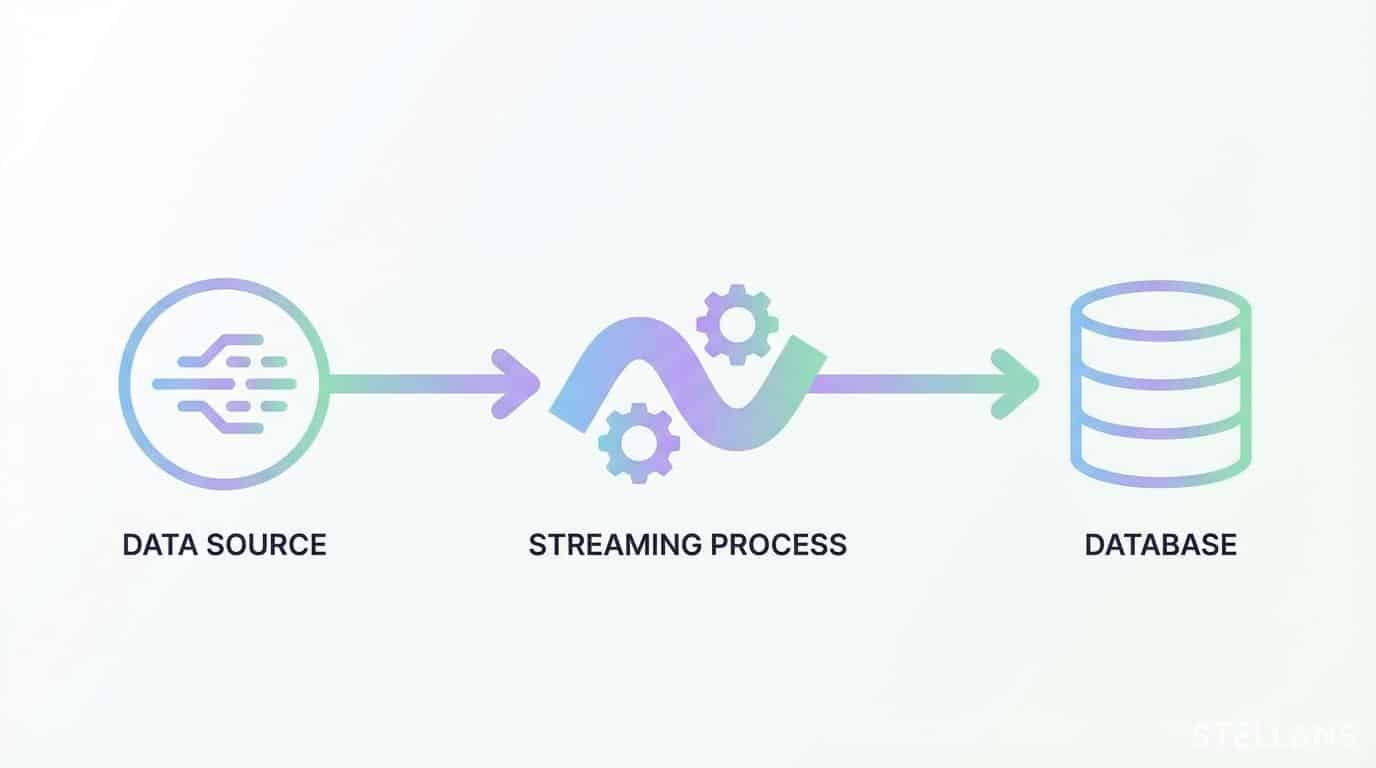
Data pipelines operate much like physical supply networks. They move raw information from source systems directly to analytical destinations. For decades, batch processing served as the reliable freight train of this operation. It moves massive volumes of data on a predictable schedule. Batch processing keeps infrastructure costs low. It also simplifies overall system management.

However, modern business requirements prioritize rapid adaptation. Your users expect instant feedback and immediate actions. Your security teams need immediate threat detection. Obtaining insights instantly helps you secure a crucial transaction. It also allows you to catch and contain a major security breach before it expands.

We work with you to unlock data potential across your entire organization. System architects must continuously evaluate when to upgrade their infrastructure. Choosing between batch and real-time processing requires a clear technical strategy. It also demands a deep understanding of tangible business value.

In this architectural guide, we will explore the tipping points for real-time systems. We will break down the true costs of streaming complexity. We will also examine scalable hybrid architecture patterns. Our goal is straightforward: we want to help your team build a well-oiled data machine. We ensure your technology choices strictly align with your long-term strategy.

The Baseline: Why Batch Processing Usually Works

Before diving into real-time streams, we must understand the baseline. Batch processing is the standard for a reason. It collects data over a specific time window. It then processes that data in one large logical group.

This approach offers significant architectural advantages. First, batch processing is incredibly resource-efficient. You can spin up high-powered compute clusters for a specific job. You can then terminate those resources once the processing finishes. This optimizes infrastructure costs by eliminating idle time. Second, it handles complex transformations gracefully. If a transformation job experiences an issue, you simply rerun the batch to achieve success.

Our Analytics services frequently leverage batch processing for historical reporting. We turn data into actionable insights, helping organizations make smarter, faster decisions. For daily sales summaries or weekly performance reviews, batch processing is perfect. The latency of a few hours fully supports the business outcome.

Batch systems also benefit from mature tooling. Technologies like centralized data warehouses handle batch loads with ease. However, dynamic applications require forward-looking solutions, whereas batch processing primarily analyzes the past. By the time a batch job completes, the business conditions may have already evolved. This shift highlights the powerful benefits of streaming architecture.

The Tipping Point: Use Cases for Real-Time

System architects must identify the specific triggers that justify real-time investments. Moving to streaming architecture serves as a critical business enabler for specific operational domains. We categorize these tipping points into distinct, high-impact use cases.

Fraud Detection and Risk Mitigation

Financial security relies on immediate action. When a customer swipes a credit card, the transaction must clear instantly. The system must evaluate the risk profile in mere milliseconds. A swift response protects your financial assets.

Active fraud prevention requires real-time processing, whereas batch processing provides historical reports of yesterday’s occurrences. Real-time stream processing analyzes the transaction as it happens. It compares the current event against historical patterns instantly.

Our AI practice focuses heavily on these immediate scenarios. We design and implement AI solutions tailored to real business needs, from automation to predictive models. We deploy machine learning models directly into the streaming pipeline. This allows organizations to block fraudulent actions before the system commits the transaction. This immediate intervention saves companies millions of dollars annually.

In-the-Moment Personalization

E-commerce and media platforms rely heavily on user engagement. The window to influence a customer decision requires immediate engagement. If a user browses running shoes, the platform must suggest matching socks immediately. Recommending those socks immediately yields a much higher conversion rate than sending an email tomorrow.

Real-time processing powers these dynamic user experiences. The architecture captures clickstream data continuously. It instantly updates the user profile in a low-latency state store. The application then queries this updated profile to serve targeted content.

This approach drives extraordinary business value. Clients report 40% faster insights post-implementation of streaming personalized pipelines. The immediate feedback loop keeps users engaged longer. It directly increases the average order value during active sessions.

Operational and IoT Monitoring

Industrial systems generate continuous machine telemetry data. Modern logistics companies track thousands of vehicles simultaneously. System architects build pipelines to harvest this sensor data constantly.

A real-time system detects sudden temperature spikes instantly to keep a manufacturing machine running smoothly. It triggers an automated preservation process to maintain equipment integrity. This immediate action guarantees better uptime and saves resources.

We recently helped a client streamline their operational reporting architecture. You can see how we approach data modernization in our Real-Time Business Ops With WBR project overview. Real-time operational dashboards empower managers to base their decisions on immediate reality rather than history.

The Hidden Reality: Complexity Costs of Streaming

Organizations often explore streaming architectures eagerly. Achieving a working real-time pipeline requires understanding that streaming is technologically distinct from batch processing. Streaming fundamentals introduce new ways to manage state, time, and success. System architects thoroughly evaluate the complexity costs of streaming before committing.

Time Semantics and Out-of-Order Data

In a batch system, time remains relatively static. The data already rests in a storage layer. In a streaming system, time becomes highly fluid. Architects actively define exact time semantics.

Events generate at a specific moment (event time). However, they might arrive at the processing engine somewhat later (processing time). Network fluctuations or mobile connectivity variations cause data to arrive out of order.

To handle this, streaming engines use a concept called watermarks. A watermark tells the system exactly how long to wait for delayed data. Optimizing your wait time ensures low latency. Tuning your processing pace guarantees high accuracy. Balancing this tradeoff demonstrates deep distributed systems expertise.

State Management at Scale

Batch tasks operate efficiently in a stateless manner. They read a file, transform the contents, and write a new file. Streaming applications shine by being inherently stateful.

Consider a function that counts website visitors over a five-minute rolling window. The system reliably remembers the current count across continuous events. It stores this state perfectly in memory or on the local disk. If a streaming node restarts, the system recovers this state flawlessly.

Handling state recovery employs sophisticated checkpointing mechanisms. The infrastructure safely backs up the state to distributed storage periodically. This introduces intentional I/O activity. It also shapes the deployment process for new application versions to ensure stability.

Infrastructure and Upskilling Overhead

Streaming architecture thrives on highly specialized infrastructure. Orchestrating streams requires deploying distributed message brokers instead of simple cron jobs. You also maintain continuous processing engines like Apache Flink.

These clusters require focused operational oversight. They run constantly, meaning infrastructure resources work around the clock. Monitoring streaming systems introduces a fresh perspective compared to monitoring batch jobs. Teams successfully track consumer lag, backpressure, and JVM garbage collection optimization.

Our Consulting team helps organizations navigate these exact opportunities. We guide digital transformation, making sure technology choices align with business goals and long-term strategy. We assess your team’s readiness for streaming architecture. We then provide a clear roadmap to bridge the capability gaps successfully.

The Golden Mean: Hybrid Architecture Patterns

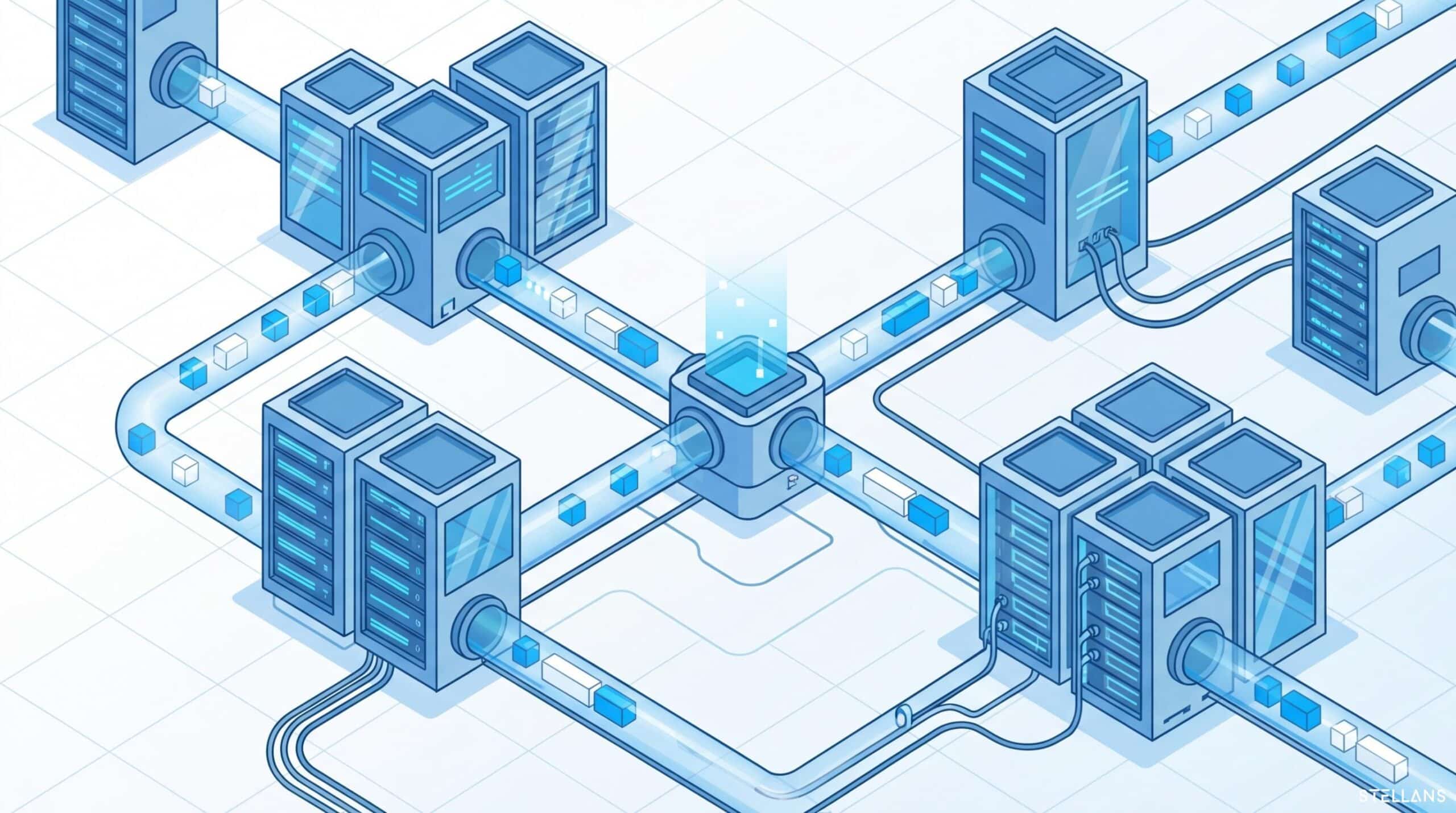
System architects enjoy the flexibility of diverse options. Highly effective platforms often utilize hybrid architecture patterns. These patterns combine the reliability of batch with the speed of stream processing.

The Lambda Architecture

The Lambda architecture is a classic hybrid approach. It maintains two separate data paths running simultaneously.

  1. The Speed Layer: This path processes streaming data instantly. It provides low-latency, approximate results for immediate consumption. It relies on fast message queues and stream processors.
  2. The Batch Layer: This path stores raw data immutably. It runs heavy, accurate computations at scheduled intervals. It eventually updates the approximate data from the speed layer with precise figures.
  3. The Serving Layer: This layer merges the output from both paths. It presents a unified view to the end-user application.

The Lambda pattern offers incredible fault tolerance. If the stream processor requires a restart, the batch layer guarantees the inclusion of any missing data. It does require maintaining two distinct codebases. Developers write the same logic for the stream processor and the batch engine to ensure consistency. This intentional duplication promotes system resilience.

The Kappa Architecture

The Kappa architecture emerged to solve Lambda’s code duplication by embracing a unified model. In a Kappa system, everything flows as a stream.

The architecture simplifies the system by operating purely as a stream without a batch layer. It relies entirely on a highly durable message broker. The broker reliably stores days or weeks of historical event data. To process historical data, you simply spin up a new stream processing job. You instruct it to successfully read from the very beginning of the topic.

This provides a single programming model. Our Engineering teams frequently advise on Kappa implementations. We build scalable systems, applications, and infrastructure that fuel growth and innovation. Kappa streamlines development drastically. It thrives on an incredibly robust storage layer capable of handling massive data replays.

Securing the Real-Time Pipeline

Moving data at millisecond speeds highlights the importance of proactive security measures. In a traditional daily batch, teams have ample time to audit data access. They run compliance checks efficiently before exposing tables to analysts. Real-time pipelines integrate these security checkpoints instantly into the flow.

System architects must embed governance directly into the stream. They prioritize security from the beginning.

Data masking occurs seamlessly on the fly. If an event contains Personally Identifiable Information (PII), the stream processor obfuscates it immediately. This ensures downstream consumer applications only log safe, sanitized customer data. Furthermore, access control mechanisms naturally integrate with the message brokers. Teams actively subscribe to the specific data streams they explicitly need.

Our Governance services secure these high-velocity pipelines effortlessly. We help manage risks, ensure compliance, and set strong governance foundations for technology and data. We effectively enforce policy-driven data access at the network edge. The result translates into an environment where your business scales smoothly while operating securely.

Evaluating the ROI of Low Latency

Architecting for real-time acts as a powerful investment. Like any investment, it strongly yields a positive return. System architects collaborate with business stakeholders to clarify optimal latency requirements.

When a product owner requests “real-time dashboards,” engineers seek clear definitions. Does real-time mean five milliseconds? Does it mean five minutes? The resource distinction between five milliseconds and five minutes guides accurate financial planning.

We recommend a tiered evaluation framework:

By applying this framework, architects consistently build perfectly engineered solutions. They deploy specialized streaming infrastructure exactly where it provides competitive differentiation. They utilize reliable batch processing effectively for everything else.

Building Resilient Streaming Systems

Committing to a streaming architecture makes resilience paramount. Streaming systems run continuously for months to provide uninterrupted value. They are designed to gracefully handle infrastructure shifts.

To guarantee data integrity, architects ensure “exactly-once” processing semantics. This guarantees that an event is processed once and strictly once. Achieving this utilizes tight integration between the message broker and the processing engine. The system reliably commits the processing state and the consumer offset in a single atomic transaction.

Backpressure management serves as another clever design pattern. Sometimes, the processing engine operates at a different pace than the incoming data rate. The system gracefully signals the upstream source to adjust its speed. With proper backpressure handling, the stream processor maintains stable memory usage and operates reliably.

System architects design for these operational modes explicitly. They implement robust dead-letter queues. These queues safely isolate malformed events to protect the processing logic. Teams successfully replay these events after perfecting the underlying code.

Conclusion

Batch processing remains a cornerstone of enterprise data architecture. Meanwhile, modern businesses increasingly benefit from immediate data reflexes. System architects recognize the specific tipping points that inspire a shift. They identify high-value use cases like fraud prevention and targeted personalization.

While the business value is high, successfully managing streaming requires embracing its unique nature. Mastering fluid time semantics and stateful recovery highlights deep engineering expertise. By utilizing hybrid architecture patterns like Lambda or Kappa, teams balance speed with reliability gracefully.

Ultimately, technology empowers the business. The decision to implement real-time systems strongly builds on the ROI of low latency. We stand ready to help you navigate this complex architectural evolution.

Ready to modernize your data architecture? Explore our comprehensive Services to discover how we can help your organization build scalable, real-time technology solutions.

Frequently Asked Questions

What is the main difference between batch and real-time processing? Batch processing gathers data over a period and processes it highly efficiently in a single large workload. Real-time streaming processes individual data events continuously the moment they occur. Batch prioritizes efficiency, while streaming excels at delivering immediate low latency.

Why is stream processing unique in its cost structure? Streaming requires clusters to run continuously 24/7 to provide always-on capabilities. It completely utilizes distributed message brokers and specialized state-management storage. This constant resource availability requires focused cloud infrastructure investment compared to ephemeral batch clusters.

Can I use both batch and streaming architectures together? Yes. Modern systems heavily utilize hybrid architecture patterns. The Lambda architecture runs streaming and batch concurrently to balance lightning speed with ultimate accuracy. Many organizations effectively use streaming for operational alerts and batch for deep historical analysis.

How do you handle late-arriving data in a stream? Streaming engines elegantly utilize “watermarks” to handle late data. A watermark clearly defines an acceptable waiting period for delayed events. If data arrives after the watermark expires, the system intelligently routes it to a separate storage layer for proper batch correction later.

References

Article By:

https://stellans.io/wp-content/uploads/2026/01/leadership-2.jpg
Anton Malyshev

Co-founder

Related Posts

    Get a Free Data Audit

    * You can attach up to 3 files, each up to 3MB, in doc, docx, pdf, ppt, or pptx format.