Building the Modern Data Stack: Essential Data Analysis Tools for 2026

20 minutes to read
Get free consultation

Introduction: Preparing Your Data Machine for 2026

The business landscape moves incredibly fast. Technology evolves rapidly every single year. Startup founders face a constant challenge: making accurate decisions quickly. Data provides the foundation for these crucial decisions. A reliable processing system unlocks the true practical business value of your raw data. You need a robust architecture to refine it effectively.

We build well-oiled data machines. Our goal: your growth. Achieving seamless operations requires eliminating the bottlenecks caused by fragmented systems and outdated tools. Our clients report 40% faster insights post-implementation. We achieve this by modernizing your entire infrastructure. A modern data stack connects your raw information directly to your strategic goals.

We focus on the future. The year 2026 will demand an even faster response time from data teams. Simple, straightforward management must define complex pipelines. Scalable systems require careful planning today. We guide your digital transformation. We make sure technology choices align strictly with your business goals.

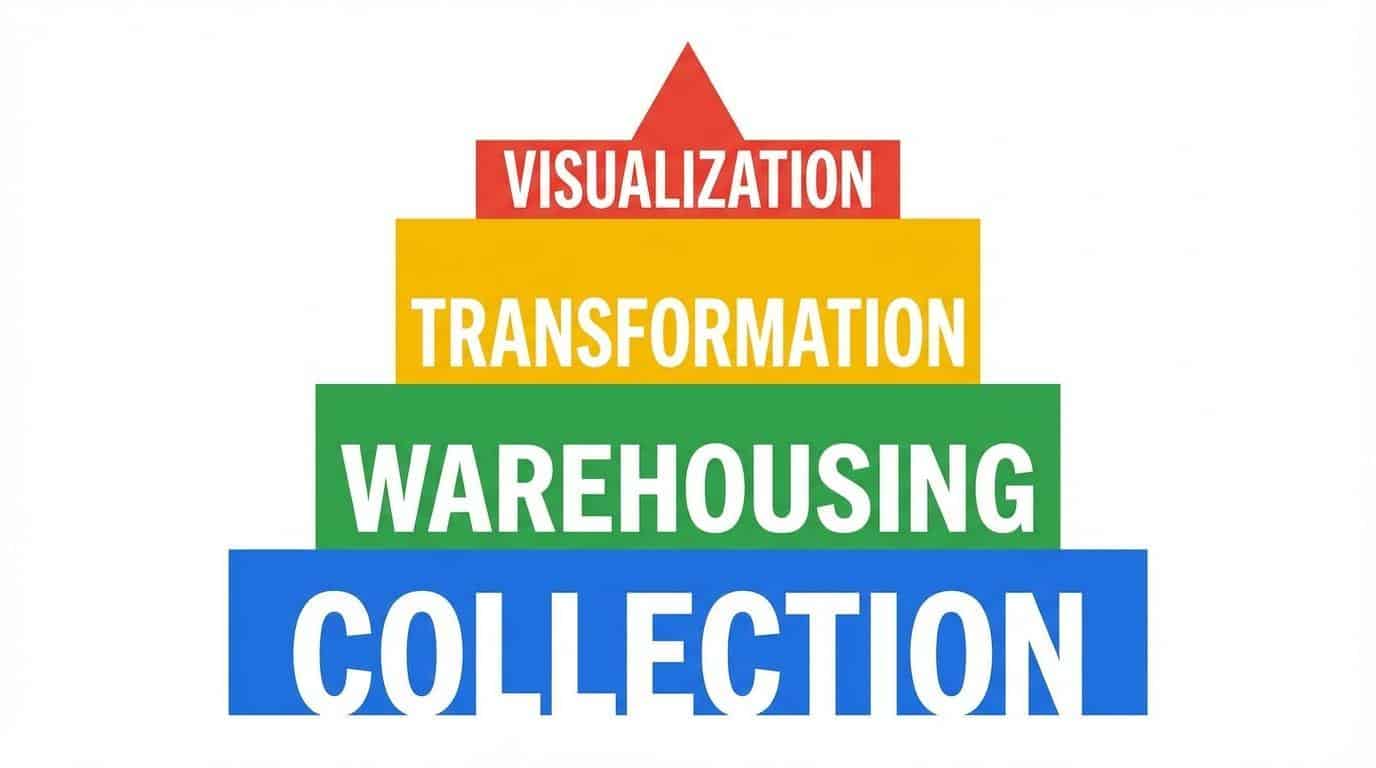
In this guide, we explore the essential tools for 2026. We break down the four essential layers of the modern data stack. We also compare open source versus proprietary tools. Finally, we provide actionable integration strategies. We turn your data into actionable insights.

The 4 Layers of the Modern Data Stack

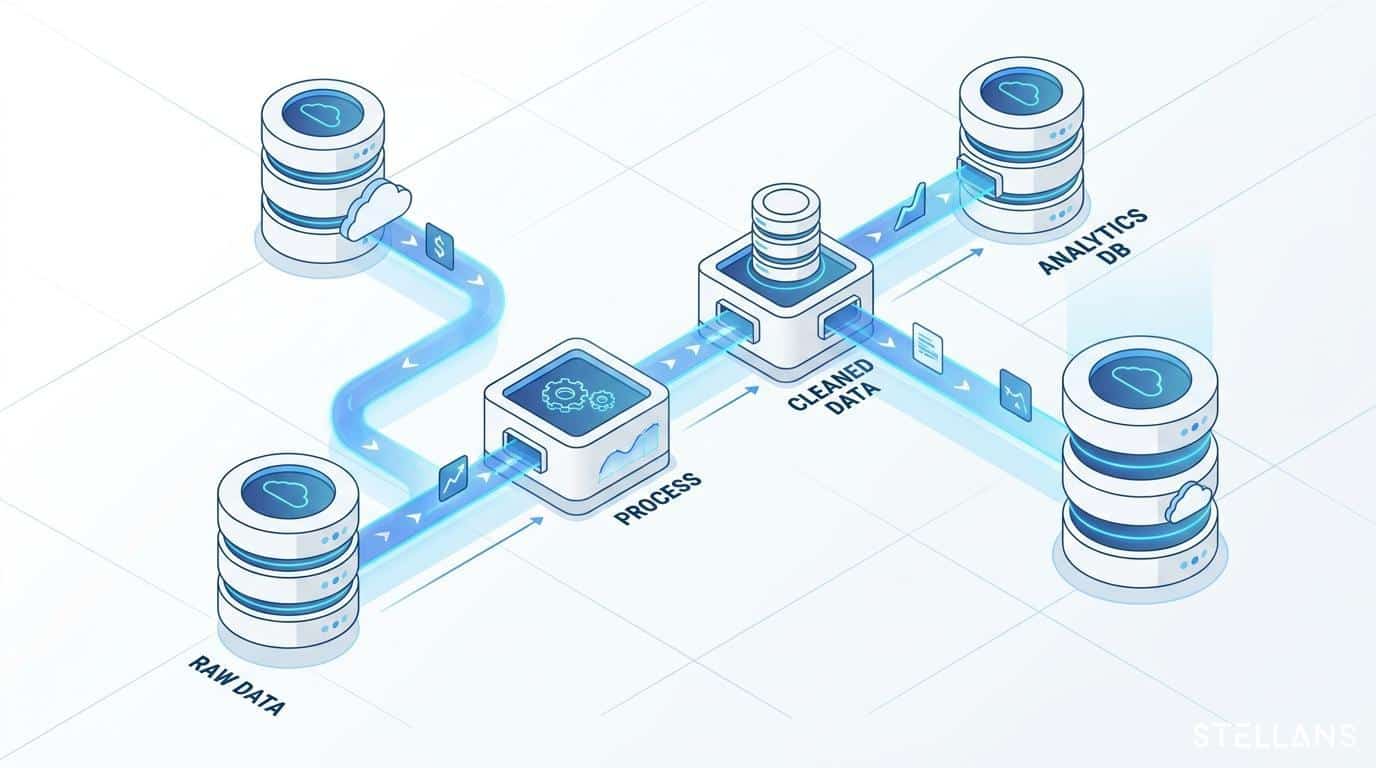
Think of your data pipeline as a busy highway. Vehicles must enter safely. They must park in organized lots. They must undergo inspection and refinement. Finally, they reach their intended destination. The modern data stack works the same way. It relies on four distinct layers. Each layer performs a specialized function. We build scalable systems across all four of these steps.

1. Data Ingestion: The Highway On-Ramp

Ingestion represents the beginning of the journey. Operations generate massive amounts of data daily. This data comes from applications, payment gateways, and CRM platforms. You need a reliable way to collect this information. Automating data extraction frees up valuable engineering time. We achieve seamless flow through automated ingestion pipelines.

An ingestion tool connects to your varied data sources. It extracts the raw data on a precise schedule. It then securely loads this data into your central storage. This process operates with absolute reliability. Maintaining pipeline stability ensures consistent, reliable reporting. We streamline this layer to safeguard against data loss.

Fivetran ensures pipelines run smoothly. Using Fivetran saves engineers hours of tedious manual work. We implement tools like Fivetran to guarantee pipeline stability. Automated ingestion empowers your team. It allows engineers to focus on higher-value problem-solving. Our clients see massive efficiency gains here.

2. Cloud Storage: The Centralized Warehouse

Your gathered data needs a secure home. Cloud storage serves as this central repository. Modern cloud data warehouses offer unlimited scalability to replace outgrown on-premise servers. They grow alongside your expanding business needs. We design automated infrastructure that fuels growth.

The warehouse acts as the single source of truth. All company data lives in this one location. A centralized location fosters alignment by removing organizational silos. It ensures every department analyzes the exact same numbers. Data consistency promotes internal harmony over vital metrics.

Modern warehouses separate storage computing power. You only pay for what you actually use. Snowflake and Google BigQuery lead this layer. They process complicated queries in mere seconds. We optimize your warehouse architecture carefully. We consistently maximize budget efficiency for our startup partners.

3. Data Transformation: The Refinery

Refining raw data ensures it is clean and ready for precise analysis. Transforming this information meticulously clears out duplicates, errors, and formatting issues. Structuring this unrefined information prepares it for direct, accurate evaluation. The transformation layer cleanses this data. It turns raw logs into standardized business metrics. We work with you to design these logical transformations.

Transformation applies specific business rules to your data. It calculates customer lifetime value automatically. It groups users into distinct behavioral cohorts. This step happens entirely within your cloud warehouse. Doing the transformation inside the warehouse increases speed significantly.

The tool dbt ensures error-free reporting. Using dbt’s modular architecture enables our teams to test data before delivery. We treat analytical code exactly like software code. Rigorous testing guarantees consistently functioning dashboards. Clients trust the numbers we deliver. We bolster data integrity through strict ongoing testing.

4. Analysis and BI: The Strategic Dashboard

The final layer delivers positive business outcomes. Business Intelligence (BI) platforms visualize the transformed data. This layer is where your non-technical teams operate. Founders gain clarity continuously through intuitive dashboards that track progress. We empower your leaders with clear visual information.

A strong BI tool translates data into charts. It uncovers hidden trends within your user behavior. It points directly to new revenue opportunities. We design interfaces tailored to real business needs. Clear, intuitive dashboards provide immediate, actionable value to your team. Simplicity drives user adoption across your organization.

Looker drives immediate business ROI when implemented correctly. We configure platforms like Looker to answer key questions fast. We customize every dashboard for the specific end-user. Marketing teams see campaign performance instantly. Finance teams track precise budget allocations. We connect data directly to actionable insights.

The Great Debate: Open Source vs Proprietary Tools

Choosing specific tools requires careful thought. Founders often ask us which path they should take. The debate between open source and proprietary software continues. Each path presents distinct advantages and unique opportunities. We simplify complex concepts to help you choose.

Understanding Open Source Tools

Open source tools offer incredible flexibility. Global developer communities build and maintain these platforms. The core software remains completely free to use. This model appeals strongly to early-stage startups. You can customize the code directly.

Open source grants you absolute freedom from vendor lock-in. You retain total control over your infrastructure. We regularly utilize the Cloud Native Computing Foundation ecosystem. Their approved tools guarantee long-term community support. Harnessing this open source freedom successfully is achieved by dedicating strong engineering resources. Your team takes fully empowered ownership over hosting and updates. We build these scalable systems for those requiring complete control.

Pros of Open Source:

Challenges of Open Source:

Understanding Proprietary Tools

Proprietary tools operate entirely as a service. A vendor directly manages all hosting and maintenance tasks. You pay a subscription fee for seamless access. We highly recommend proprietary tools for teams focused primarily on rapid growth. They deploy incredibly fast.

These software-as-a-service (SaaS) platforms offer dedicated support teams. They provide strict internal service level agreements (SLAs). You enjoy guaranteed vendor accountability for system uptime. This path maximizes your internal time allocation. It allows your team to focus strictly on analysis. We guide technology choices to match your team size perfectly.

Pros of Proprietary Tools:

Opportunities within Proprietary Tools:

Making the Right Choice for 2026

The optimal choice aligns precisely with your clear business goals. We act as your technical translator during this evaluation. We audit your current team’s skills thoroughly. We align our choices with your expected data volume for the next three years.

Many clients adopt a pragmatic hybrid approach. You might utilize proprietary tools for seamless ingestion. You might leverage open source frameworks for robust core transformation. We design and implement these highly functional hybrid environments. We ensure every technology choice aligns with your strategy. We work with you to maximize your budget efficiency.

Integration Considerations for the Modern Data Space

Integrating your tools perfectly ensures your technology solves the complete business puzzle. Creating a unified data stack creates smooth, frictionless organizational workflows. Tools must communicate effortlessly with one another. We engineer tight integrations across your entire ecosystem.

Avoiding the Tool Sprawl Trap

The modern data market offers thousands of solutions. Streamlining your software purchases keeps your modern data stack lean and efficient. Consolidating your platforms ensures operational excellence and simplicity, preventing what is commonly known as tool sprawl. We carefully optimize your tech stack to nurture this scalable efficiency.

Minimizing external tools strengthens your system against potential points of failure. Fewer connections inherently boost your security posture. We conduct strict quarterly audits of your architecture. We identify overlapping features to streamline your current platforms. We consolidate your tools to optimize ongoing software costs. Our goal: a lean, efficient data machine.

Establishing Strong Data Contracts

Data structures change frequently in fast-moving startups. Engineers often alter application databases to add dynamic features. Establishing strict integration parameters protects downstream analytical pipelines from sudden upstream changes. Consistent data structures ensure the daily executive dashboard runs flawlessly.

We implement the concept of data contracts. A data contract acts as a strong foundational agreement. Application engineers commit to maintaining specific data structures. Data engineers successfully build pipelines upon this solid foundation. If a structure changes, the contract provides an immediate proactive alert. We set strong governance foundations for your technology.

The Rise of the Semantic Layer

By 2026, the semantic layer will become standard. This layer sits directly between transformation and analysis. It serves as a universal translator for your business logic. We design this layer to naturally enhance organizational clarity.

Implementing a semantic layer guarantees that all BI tools utilize perfectly synchronized metrics. This synchronization delivers unified, trustworthy numbers during strategic board meetings. The semantic layer defines “Revenue” perfectly across operations. Every integrated tool pulls from this single secure definition. Our clients report total confidence in their reported metrics.

Leveraging AI and Predictive Analytics

The modern data stack embraces artificial intelligence effortlessly. Traditional analysis looks backward at historical trends. AI looks forward to anticipating exciting future events. We design AI solutions customized exactly to your business goals. Your data stack must prepare for this transformative shift today.

Predictive models thrive on clean, highly accessible training data. Your warehouse serves as the foundation for these models. We engineer pipelines that feed algorithms consistently. An integrated modern stack optimally accelerates machine learning deployments. We turn static data into dynamic predictive engines.

Automating workflows requires a foundation of high-quality, reliable data. Clean data ensures AI models amplify accurate insights and immense value. We work with you to perfect the transformation layer explicitly. Once your data shines, we confidently launch predictive automation. We help you transition into powerful proactive strategies. Our solutions empower your team to anticipate major market opportunities.

Essential Data Governance and Compliance

Combining speed with strict data control guarantees compliant, long-term success. Proactive startups establish robust data governance long before an audit ever occurs. By 2026, privacy regulations will offer clear frameworks for secure operations. You must build compliance deeply into your foundational stack architecture. We help navigate compliance requirements effectively.

Defining Data Ownership

Assigning clear data ownership ensures high quality is maintained over time. Defining distinct roles cultivates rapid organizational trust. We help establish highly structured internal data stewardship roles. A stewardship program ensures ongoing internal accountability.

We clearly define who controls secure user access. Protecting highly sensitive customer payment information is achieved by carefully managing access. We implement robust Role-Based Access Control (RBAC). Your tools effortlessly embrace these advanced security protocols. We ensure absolute compliance with global data privacy laws.

Monitoring and Observability

A well-oiled machine benefits from consistent internal monitoring. Data observability tools continuously track the health of your pipelines. They notify you instantly regarding operational flow status. We integrate native observability across your entire stack.

Executing proactive observability guarantees you discover and fix dashboard issues well before your CEO ever notices. Observability catches anomalies efficiently during the internal processing stage. We build highly responsive, proactive alerting systems for our clients. We work with you to establish strong baseline data quality metrics. Automated monitoring allows your hard-working engineers to sleep soundly.

Our Approach: Partnering for Success

We view ourselves as active collaborative problem-solvers. We cultivate deeply connected, collaborative partnerships tailored for your success. We partner directly with our clients to drive significant impact. Our approach focuses entirely on practical organizational outcomes. You can learn more about our successful implementations by reading a deep dive into our blog.

We begin every engagement with a comprehensive strategic audit. We assess your ingestion points and robust warehouse construction. We evaluate your current team capabilities closely. We selectively recommend tools that your current team can support seamlessly locally. We simplify complex concepts without diluting our core technical expertise.

We focus relentlessly on your positive business impact. Technology exists solely to turbocharge business growth. We ensure every tool fundamentally improves decision-making, optimizing your tech stack for clarity. Clients deeply appreciate our direct, highly transparent communication style. You can review our methodology by exploring end-to-end DataOps implementations.

By 2026, the data landscape will require incredible agility. We design modular systems that adapt smoothly to exciting changes. You can easily upgrade components as powerful new tools emerge. We permanently future-proof your valuable organizational infrastructure. We build scalable systems that generate value for years.

Conclusion

Building a modern data stack requires strategic foresight. The tools you choose today actively define your operational agility tomorrow. We highly encourage founders to evaluate their foundations immediately. A strong technical architecture accelerates everyday business growth. We help you transform simple information into your absolute greatest asset.

Remember the four distinct layers: ingestion, storage, transformation, and analysis. Assess the open source versus proprietary opportunities carefully. Prioritize tight integration and secure data governance protocols. We confidently guide you through your optimal digital transformation.

Are you ready to build a perfectly tuned data machine? We enthusiastically work with you to design the perfect architecture. Let us help you fully empower your entire team today.

Unlock your organization’s total data potential. Visit our comprehensive services page to learn how we elegantly optimize your operations and fuel your overall business growth.

Frequently Asked Questions

1. What exactly constitutes a modern data stack? A modern data stack thrives on cloud-based native tools. It replaces traditional on-premise servers with highly modular software solutions. It typically includes automated ingestion, reliable cloud storage, agile transformation, and flexible BI layers. Our goal is straightforward: fuel your growth through these modernized digital networks.

2. How long does it take to implement these core tools? Implementation timelines vary beautifully based on specific organizational goals. A basic SaaS stack successfully launches in four weeks. Custom open source environments often deliver robust results in three full months. We actively help streamline this deployment process significantly for you.

3. Do startup founders really need an enterprise data warehouse? Yes. Modern cloud warehouses scale perfectly with your operational budget. You seamlessly pay for precisely the computing power you utilize. Starting securely with a centralized warehouse ensures a smooth, easily scalable future for your data flow. We thoughtfully design these foundational systems securely from day one.

4. How does AI fit into the modern data stack for 2026? AI acts dynamically as an advanced processing layer within your foundational stack. It comfortably pulls clean information directly from your central storage. It utilizes perfectly transformed data to produce highly accurate predictive models. We intelligently design and safely implement AI solutions using your established foundations.

5. How do we prevent runaway costs in the cloud? Optimizing query efficiency keeps your cloud computing costs perfectly controlled. Fine-tuning ingestion tools ensures you confidently sync only your most necessary data. We proactively implement smart computational governance rules for our clients. We continually optimize your technical infrastructure to maximize continuous cost efficiency.

References

Article By:

https://stellans.io/wp-content/uploads/2026/01/leadership-2.jpg
Anton Malyshev

Co-founder

Related Posts

    Get a Free Data Audit

    * You can attach up to 3 files, each up to 3MB, in doc, docx, pdf, ppt, or pptx format.