Modernizing Electronic Data Systems: Cloud Migration Guide

14 minutes to read
Get free consultation


Organizations rely heavily on their electronic data systems. These systems traditionally housed critical information on monolithic mainframes or on-premise relational databases. Legacy technology handled early data processing admirably. However, today’s business environment demands rapid insights and seamless scalability. Modern electronic data systems fuel growth. Upgrading your systems increases agility while reducing operational costs.

Scaling businesses overcome outdated architecture easily with our guidance. Upgrading legacy platforms resolves significant compliance concerns seamlessly. It also removes massive scaling bottlenecks. Leaders gain a massive competitive edge by transitioning toward modern cloud data infrastructure. Gaining confidence in migration comes from having a structured approach. We work with you to unlock data potential seamlessly. You need a clear, pragmatic roadmap. The goal is to modernize your stack without breaking existing operations.

Modernization is a strategic business initiative. It empowers your teams with real-time analytics. It transforms an aging infrastructure into a well-oiled data machine. This guide outlines the exact strategies we deploy to modernize legacy systems effectively.


Understanding Electronic Data Systems: History and Modern Relevance

Electronic data systems form the core of enterprise information management. The term historically referred to physical servers and highly centralized databases. Understanding this history clarifies the profound benefits of modern cloud upgrades.

The Evolution from Legacy to Cloud Data Platforms

The journey began in the 1970s with early mainframe computers. These massive machines processed large volumes of structured data. Developers wrote complex code in languages like COBOL. Hardware limitations dictated strict, nightly batch processing. By the 1990s, relational database management systems emerged. They offered better organization but required expensive physical servers.

Today, we operate in the era of modern lakehouses and cloud data platforms. Businesses gain tremendous flexibility by eliminating physical server hardware. Cloud infrastructure offers limitless computational power and storage. True data modernization involves translating those legacy definitions into current digital solutions. We bridge the gap from outdated monoliths to flexible cloud pipelines. This transition enables modern methodologies like Agile and DataOps.

The Hidden Costs of Maintaining Outdated Data Systems

Accelerating cloud migration delivers significant financial benefits. Strategic innovation reclaims the vast majority of legacy IT budgets when systems are modernized. Clearing technical debt unlocks new product development and innovation.

Risks and Pain Points of Outdated EDS

Addressing tech debt unlocks several cost-saving opportunities. Companies optimize operations by shifting technical investments away from specialized legacy maintenance. Modern engineering opens access to an expansive talent pool. This modern approach effectively prevents severe vendor lock-in. Our clients routinely recapture up to 40% of IT time by modernizing outdated infrastructure.

Accelerating data retrieval clears secondary processing bottlenecks. Legacy systems typically rely on T+1 batch reporting limits. Modern pipelines ensure business leaders review fully up-to-date information. Lightning-fast query speeds unlock engaging real-time workflows. System compatibility actively removes friction from operations. Modern architectures unify data rather than operating in fragmented silos. Clean data models easily replace broken semantic structures. Modern data systems secure integration processes with popular SaaS platforms and external APIs. This successful integration accelerates digital transformation initiatives.

A Step-by-Step Cloud Migration Strategy

We empower our partners by taking a highly structured migration approach. We focus on positive outcomes like faster data retrieval and improved reliability. We utilize tools like Fivetran, Snowflake, and dbt. However, we frame these technologies around your specific business impact. We build a modern data engine.

Assessing Legacy Systems and Target Cloud Architecture

The first step requires a comprehensive system audit. We map all current dependencies and uncover hidden data silos. We analyze existing bottlenecks in your reporting processes.

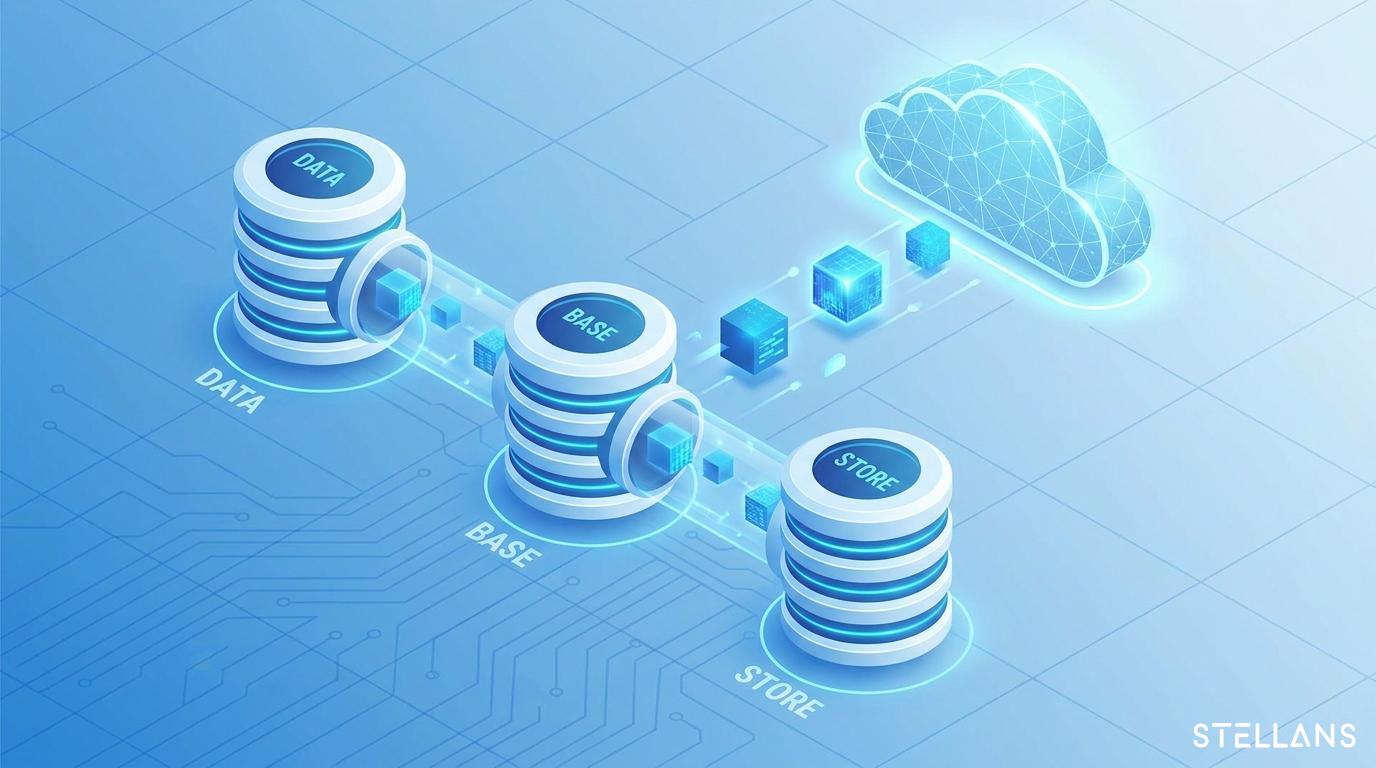
Next, we design the target cloud stack. We establish a scalable foundation using platforms like Snowflake. Snowflake separates storage from compute power. This separation allows you to scale resources independently. It optimizes expenditure dynamically during low-traffic periods. We focus on creating an architecture that directly supports your business goals.

Data Ingestion with Fivetran and CDC Tools

Modern ingestion massively improves upon traditional Extract, Transform, Load processes. Robust pipelines guarantee stability during scheduled updates. They operate autonomously, freeing engineers from constant intervention. We implement Change Data Capture technology to build resilient pathways.

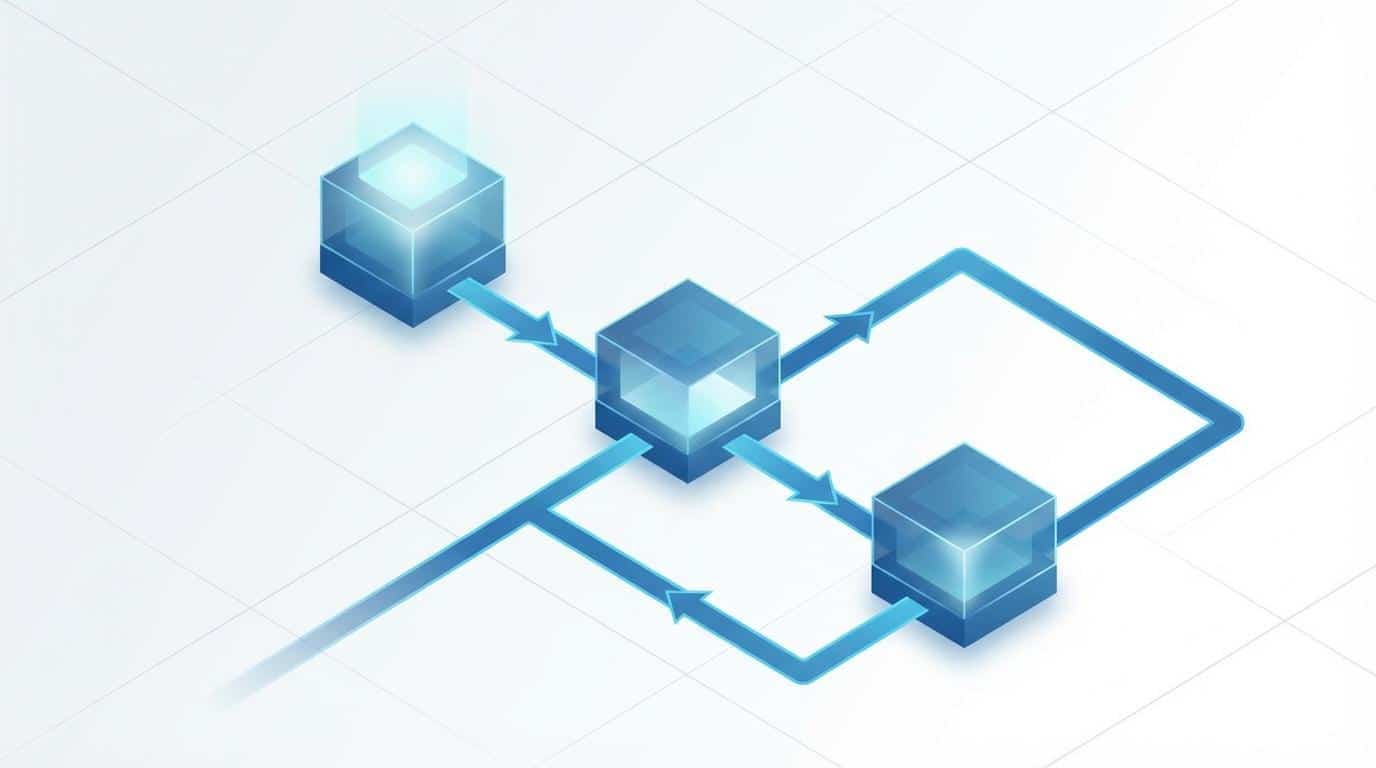
CDC tools identify and react to data changes instantly. Fivetran automates these data pipelines efficiently. It synchronizes records from the legacy database directly into the cloud. This continuous real-time ingestion removes the need for nightly batches. The data pipeline functions as a high-speed highway. Information flows seamlessly into your centralized data warehouse. This automated ingestion is a core component of our Engineering solutions.

ELT Process and Analytics Engineering with dbt

Modernization fundamentally shifts where data transformation happens. Older systems transformed data before it reached the database. Modern platforms utilize an Extract, Load, Transform approach. Raw data enters the warehouse first. Transformation happens utilizing the limitless power of the cloud environment.

We utilize tools like dbt to manage this process. DBT empowers analytics engineers to transform data using simple SQL logic. It brings software engineering practices to data transformation. DBT ensures error-free reporting and eliminates broken constraints. Transformations become version-controlled and fully testable. This ensures your business teams always access verified information.

# Visual Placeholder 3: Example dbt Code Block
version: 2

models:
  - name: stg_legacy_customers
    description: "Standardized customer data from legacy pipeline."
    columns:
      - name: customer_id
        description: "The primary key for this table."
        tests:
          - unique
          - not_null
      - name: current_status
        description: "Active status derived from historic flags."
        tests:
          - accepted_values:
              values: ['active', 'inactive', 'pending']

Ensuring Zero Downtime and Validation Strategies

Business continuity remains our highest priority during migration. Maintaining continuous operations during an upgrade is standard. We ensure zero downtime through meticulous parallel execution.

The legacy platform and the new cloud environment run simultaneously. We implement strict data contracts to validate information parity. We compare outputs between the old and new systems constantly. Cutover to the modern environment only happens upon perfect validation. This reliable methodology guarantees stability for your scaling enterprise. We document successful transitions like these within our completed global projects.

Governance, Security, and Compliance in Cloud Migration

Security always remains a foundational element. Governance acts as the central pillar of cloud migration. A modern infrastructure must protect sensitive information comprehensively.

Data Governance Frameworks for Modern Data Platforms

Proactive governance inherently prevents the creation of a messy data swamp. Structured environments guarantee absolute trust and discoverability. We implement rigorous cataloging rules from day one. Every dataset receives clear ownership metadata.

We apply strict access control limits. Users only see the information required for their specific roles. This secures internal access thoroughly. Proper governance improves overall organizational confidence in reports.

Security Best Practices and Regulatory Compliance

Regulatory compliance offers a structured pathway for operating securely. Modern platforms easily adapt to evolving regulatory frameworks. Cloud data migration vastly simplifies compliance adherence.

We champion zero-trust models for comprehensive security. You can read more about foundational security standards directly from the National Institute of Standards and Technology. We introduce centralized data masking mechanisms. Personally identifiable information gets anonymized dynamically. We configure detailed audit logging natively within the cloud. This ensures full compliance with mandates like GDPR and HIPAA. Your security profile strengthens significantly.

Overcoming Pain Points: Modern Solutions to Legacy Challenges

Our modernization strategy resolves the three core IT pain points directly.

First, we resolve technical debt. Automated pipelines replace massive manual coding efforts. Maintenance costs plummet as cloud providers manage hardware.

Second, we solve system incompatibility. Cloud architectures feature native API integrations. Your data warehouse connects effortlessly to modern CRM and marketing platforms.

Third, we eliminate slow retrieval processes. Automated CDC ingestion guarantees timely updates. Clients report up to 40% faster insights post-implementation. Real-time querying becomes the organizational standard.

Digital Transformation Powered by Modern Data Systems

Cloud data migration delivers immediate functional improvements. It also lays the crucial groundwork for future digital transformation.

Enabling AI and Real-Time Decision Making

Artificial intelligence requires massive volumes of clean information. Deploying predictive models succeeds consistently with unified, modern architectures. Modernizing your system builds the necessary foundation.

A well-structured cloud data warehouse feeds machine learning algorithms seamlessly. Predictive analytics becomes highly accurate and actionable. Real-time decision-making replaces historical guesswork across your departments. Leadership can monitor live dashboards confidently. Unlocking these AI capabilities is a natural progression of modernization.

How Stellans Supports Electronic Data System Modernization

Replacing a legacy system requires targeted expertise. Targeted engineering methods consistently guarantee true business value. We focus on business outcomes unconditionally.

Strategic and Hands-On Partnership Model

We operate as your technical translator. We simplify complex cloud concepts actively. Our implementations integrate advanced analytics engineering and DataOps principles. We align our technical choices with your ultimate growth objectives.

Our goal is your growth. We streamline your infrastructure to unblock true potential. A modern data platform empowers your team fully. Let us help you unlock modern data capabilities today.

Reach out to discover how our engineering team accelerates success. Visit the Stellans main website to schedule your tailored consultation.

Frequently Asked Questions

What is data modernization?

Data modernization involves upgrading legacy architectures into modern cloud infrastructures. It transitions companies from slow batch processing to automated pipelines. The goal is faster retrieval and better scalability.

What are the risks of maintaining outdated electronic data systems?

Outdated systems generate high maintenance costs and critical tech debt. They trap information in rigid silos. This prevents real-time reporting and blocks integration with modern software.

How do change data capture (CDC) tools work in migration?

CDC tools constantly monitor the operational database for changes. They capture modified records immediately. They synchronize these changes to the cloud warehouse in real-time. This eliminates the need for manual daily data loads.

References

Article By:

https://stellans.io/wp-content/uploads/2026/01/1723232006354.jpg
Roman Sterjanov

Data Analyst

Related Posts

    Get a Free Data Audit

    * You can attach up to 3 files, each up to 3MB, in doc, docx, pdf, ppt, or pptx format.