With a data warehouse in place, we can move beyond static reporting into dynamic, automated insights. This is where the role of the “CFO as Data Engineer” truly pays dividends.
Automating Actuals vs Budget Variance
Variance analysis is the heartbeat of financial control, and modern workflows transform it into a highly efficient process. In a modern setup, we automate Actuals vs Budget variance completely.
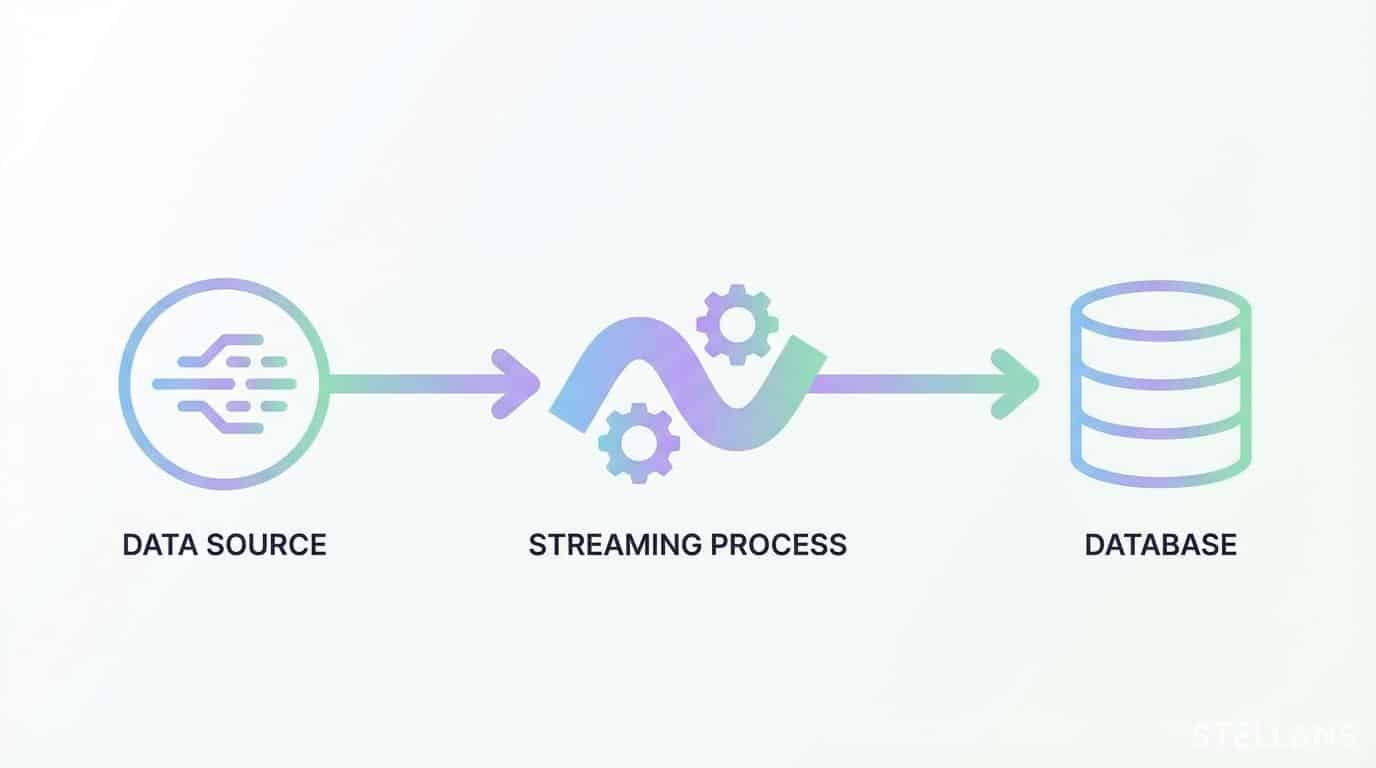
Your budget data (likely created in a planning tool or a governed Excel template) is loaded into the warehouse. Every night, the automated pipeline pulls the day’s actuals from the ERP. A transformation script then compares the two, calculating variances across cost centers, departments, and revenue lines.
The result is immediate visibility into your budget performance. Reliable dashboards update daily, flagging variances as they happen. This allows for immediate course correction and forward-thinking adjustments.
Advanced Scenario Planning with Python
Excel is fantastic, and complementing it with more robust tools expands your capabilities immensely. When you want to run Monte Carlo simulations or complex scenario planning on millions of rows of transaction data, specialized programming languages offer incredible stability. This is where we leverage the power of Python.
Python allows us to safely handle massive datasets and perform complex statistical modeling that would be difficult to manage in a spreadsheet. For example, asking “What happens to our cash runway if churn increases by 5% and we delay hiring by two months?” becomes an easily programmable query.
By using Advanced Data Science solutions, we can code these scenarios into flexible scripts.
- Speed: Running a scenario in Python takes seconds, delivering rapid insights.
- Complexity: Python libraries like Pandas and NumPy can process millions of transactions to find valuable non-linear correlations.
- Auditability: Code is version-controlled. You can see exactly how the model was changed, by whom, and when.
This approach elevates scenario planning into a rigorous, data-driven science. For a deeper dive into how predictive models can enhance your planning, you might explore our work on Demand Forecasting with Prophet, which utilizes similar Python-based methodologies to predict market trends.
Real-Time Revenue Forecasting
Perhaps the most powerful application of this stack is real-time forecasting. By connecting your CRM directly to your financial model, you gain visibility into future cash flow based on the live sales pipeline.
Your connected model actively assesses the probability of each deal closing based on historical win rates and current stage duration, providing a continuously updated view of expected revenue. Implementing a Real-Time Reporting Dashboard allows the finance team to act as a responsive strategic radar for the business, identifying revenue opportunities weeks before they manifest.