Deploying Enterprise Data Infrastructure On Cloud Warehouses Safely

9 minutes to read
Get free consultation

Enterprise data demands evolve rapidly. Modern analytics require unparalleled speed and accessibility. This rapid schema evolution and open cloud access model introduce significant risks. Confident data security accelerates critical business initiatives. Teams can focus on innovation when sensitive PII and PHI remain fully protected. Properly configured access controls eliminate hidden vulnerabilities entirely.

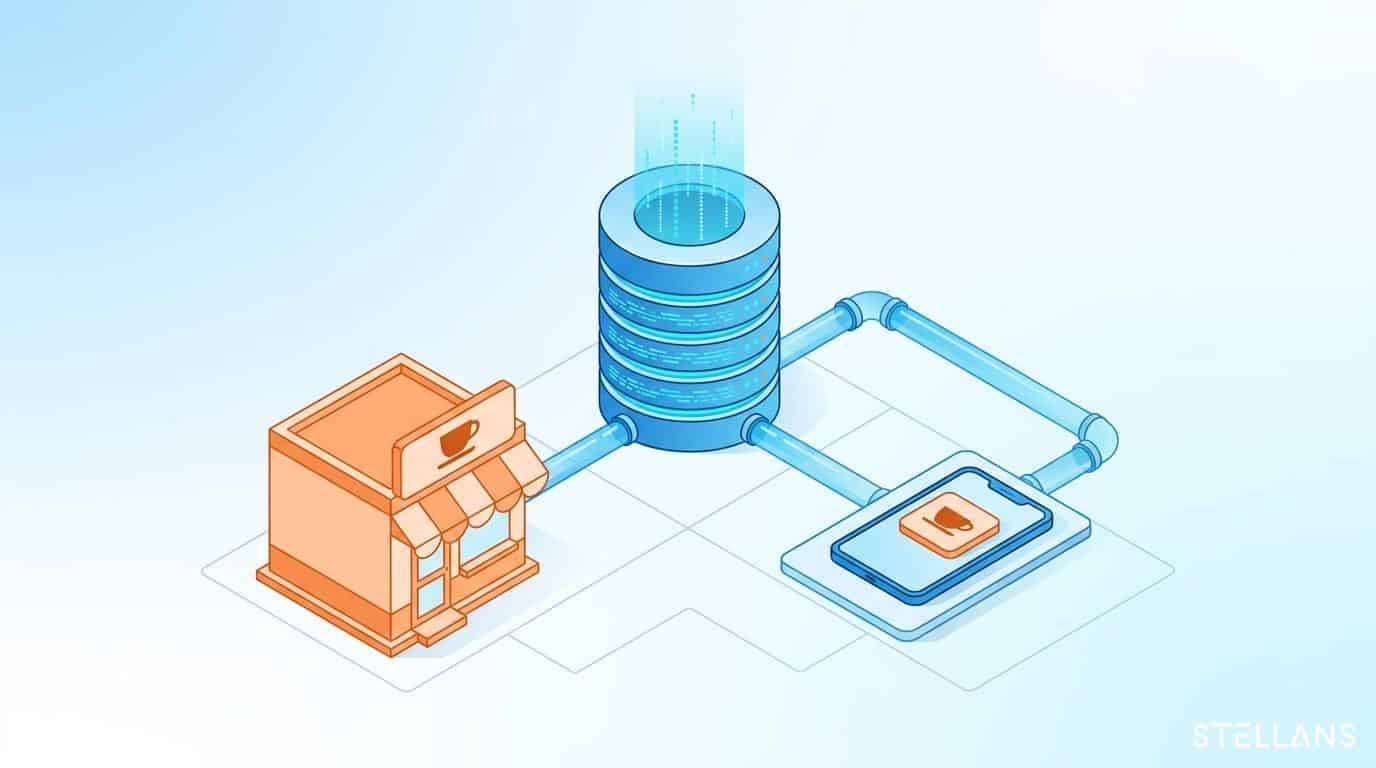
Our approach solves this problem: we build resilient data infrastructure on cloud environments. We empower your team to innovate securely. Integrating security from day one ensures success when modernizing legacy data systems. You must integrate strict compliance measures directly into the engineering workflow. This standardizes data ingestion and reduces manual maintenance. We work with you to unlock data potential safely. Your data pipeline acts as a secure highway. We ensure your information reaches its destination without compromising regulatory standards.

The New Standard for Enterprise Data Infrastructure On Cloud

Dynamic defense mechanisms succeed where traditional network perimeters fall short in modern environments. Cloud data platforms require these robust protections to function safely. Comprehensive policy boundaries monitor internal traffic effectively, replacing the limited outward-facing firewalls of legacy security models. You must transition from basic encryption to comprehensive policy boundaries. A well-oiled data machine requires strict identity rules.

Modern cloud warehouses demand zero-trust principles. Every user, service, and query requires explicit authorization. This strategy protects information: it never slows down critical business analytics. We build data infrastructure that adapts to evolving threats automatically. This proactive stance neutralizes risks before they escalate. We empower organizations with secure, uninterrupted access to their most valuable assets.

Engineering Workflow: Secure Architecture and Deployment

We map out the secure data journey meticulously. Every component requires intentional isolation and strict access controls.

Private Endpoint Isolation and VPC Configurations

Properly secured Virtual Private Clouds (VPCs) enforce strict IAM policies perfectly. Accurate network routing keeps sensitive workloads safely isolated from public networks. Correct VPC configurations prevent the most common root causes of data exposure. Using custom, dedicated subnets permanently blocks unauthorized external access.

We solve this using AWS PrivateLink or Azure Private Link. This architecture provides complete private endpoint isolation. Dedicated subnets block accidental public resolution permanently. Your database traffic never touches the public internet. We configure route tables to reject external gateway attachments. This isolates your data warehouse securely. It provides a fortified environment for analytics and storage.

Encrypted Storage and Policy Boundaries

Customer-managed keys (CMKs) provide the robust encryption required for true enterprise compliance. You maintain absolute authority over the encryption key lifecycle. Transit encryption secures all data in motion automatically.

You must assign explicit owners to every policy boundary. This eliminates orphaned resources and shadow IT deployments. Our engineering methodology aligns perfectly with NIST zero-trust architecture principles. Strict policy boundaries prevent unauthorized lateral movement across your network. We segment environments logically. This logical segmentation keeps restricted financial data completely secure.

Automating Secure Data Ingestion

Fivetran CDC Permissions and Landing Zones

Change Data Capture (CDC) automates data movement efficiently. It requires precise, restrictive configuration. We configure strict read-only access for all Fivetran connectors. This prevents accidental source database modifications. Your production databases remain secure and untampered.

We isolate all raw data inside dedicated landing schemas. Managing schema drift securely is a critical engineering task. Automated schema updates must alert data engineers before applying structural changes. We enforce column-level blocking for sensitive PII during the initial ingestion phase. This workflow standardizes ingestion entirely. It significantly reduces downstream compliance risks. dbt ensures error-free reporting by transforming this isolated raw data into secure, business-ready models.

Identity Mapping Technologies for Multicloud Database Users

Managing multicloud identity requires strict synchronization. Database users need seamless access across Snowflake, AWS, and Azure. Modern database systems rely on dynamic, temporary credentials to grant this access smoothly. Automated provisioning and real-time revocation protect your environments against credential stuffing attacks.

Comparison Breakdown

We evaluate the principal identity mapping technologies for multicloud database users. The right choice depends on your specific operational requirements.

Technology Primary Use Case Engineering Advantages Security Risks
SAML 2.0 Legacy SSO integration for analytics teams Broad enterprise support across legacy systems Complex XML parsing vulnerabilities
SCIM Automated user provisioning and de-provisioning Real-time identity sync across multicloud platforms Requires continuous token rotation
OAuth 2.0 Delegated access for BI tools (Looker, Tableau) Granular scope control for specific API actions Severe data exposure if improperly scoped
Workload Identity Federation Service-to-service authentication (dbt to Snowflake) Eliminates long-lived static secrets entirely Steep initial infrastructure configuration curve

Monitoring Abnormal Data Pulls Automatically

System Query Histories and Audit Logic

Automated auditing processes guarantee consistent compliance and regulatory approval. Regulators confidently approve consistent, programmatic auditing methods over manual logs. You must monitor abnormal data pulls automatically. We centralize system query histories into a secured, immutable warehouse schema. This enables continuous, programmatic auditing.

Instant detection easily identifies signals of abnormal behavior. Look for sudden row volume spikes. Watch for unusual export commands originating from standard service accounts. We maintain a strict 30-day baseline retention for normal user activity. This baseline allows our systems to calculate expected data retrieval volumes per user.

WITH centralized_query_history AS (
    SELECT
        user_name,
        role_name,
        query_type,
        rows_produced,
        start_time
    FROM snowflake.account_usage.query_history
    WHERE execution_status = 'SUCCESS'
),
user_baselines AS (
    SELECT
        user_name,
        AVG(rows_produced) as avg_daily_rows,
        STDDEV(rows_produced) as stddev_daily_rows
    FROM centralized_query_history
    WHERE start_time >= DATEADD(day, -30, CURRENT_DATE())
    GROUP BY user_name
)
SELECT
    c.user_name,
    c.start_time,
    c.rows_produced,
    b.avg_daily_rows,
    (c.rows_produced - b.avg_daily_rows) / NULLIF(b.stddev_daily_rows, 1) as risk_score
FROM centralized_query_history c
JOIN user_baselines b ON c.user_name = b.user_name
WHERE c.start_time >= DATEADD(hour, -1, CURRENT_TIMESTAMP())
  AND c.query_type IN ('SELECT', 'COPY')
  AND (c.rows_produced - b.avg_daily_rows) > (3 * b.stddev_daily_rows);

This audit logic compares recent activity against established user baselines. It assigns a risk score automatically based on standard deviations. We streamline threat detection for your security team. This automated approach flags anomalies without generating excessive false positives.

Ensuring Data Warehousing Compliance

Centralized logging systems ensure seamless audit compliance natively. Regulators demand rigorous evidence retention and absolute log immutability. We align your data warehousing infrastructure with SOC 2, HIPAA, and GDPR frameworks directly. Centralized, immutable logs prove exactly who accessed specific data sets.

We follow CISA cloud security guidelines rigorously during architecture design. We configure write-once-read-many (WORM) storage for all audit trails. This prevents log tampering effectively. It guarantees audit readiness for your organization at all times. Centralized logging simplifies compliance reporting. Your governance team can generate evidence instantly during regulatory audits.

How Stellans Enhances Cloud Database Security

We act as your collaborative problem-solver. Our goal: your growth. We bridge the gap between abstract compliance theory and operational data engineering. We integrate Snowflake, Fivetran, and dbt securely. We implement Satori Cyber to manage granular, dynamic data access policies.

Our Data Integration with Fivetran & Snowflake approach delivers proven, secure results. Clients report 40% faster insights post-implementation without sacrificing compliance. We standardize your entire data pipeline from ingestion to transformation. We build scalable systems that fuel enterprise innovation safely.

Partner With Us For Secure Data Engineering

Your data pipeline functions as a secure highway for business intelligence. We help you navigate and optimize it safely. Secure infrastructure empowers your analytics team to work faster and smarter. Ready to secure your cloud data warehouse? Partner with us to build resilient data infrastructure that scales. Contact Stellans today to schedule a technical consultation.

Frequently Asked Questions

What are the critical components of enterprise data infrastructure on cloud platforms?

Critical components include private endpoint isolation, customer-managed keys (CMKs), and strict policy boundaries. These elements ensure secure data ingestion, processing, and storage across multicloud environments.

How do you monitor abnormal data pulls in cloud data warehouses?

We deploy automated audit logic against centralized query histories. This compares current user extraction actions against a 30-day baseline retention metric. It detects row volume spikes and unusual export commands instantly.

What identity mapping technologies work best for multicloud warehouse users?

SCIM and Workload Identity Federation offer the highest security standards. They provide real-time user provisioning and eliminate long-lived static credentials for automated services across multiple cloud providers.

References

Article By:

https://stellans.io/wp-content/uploads/2026/01/1565080602204-1.jpeg
Zhenya Matus

Fractional CDO

Related Posts

    Get a Free Data Audit

    * You can attach up to 3 files, each up to 3MB, in doc, docx, pdf, ppt, or pptx format.
    This site is protected by reCAPTCHA and the Google Privacy Policy and Terms of Service apply.